
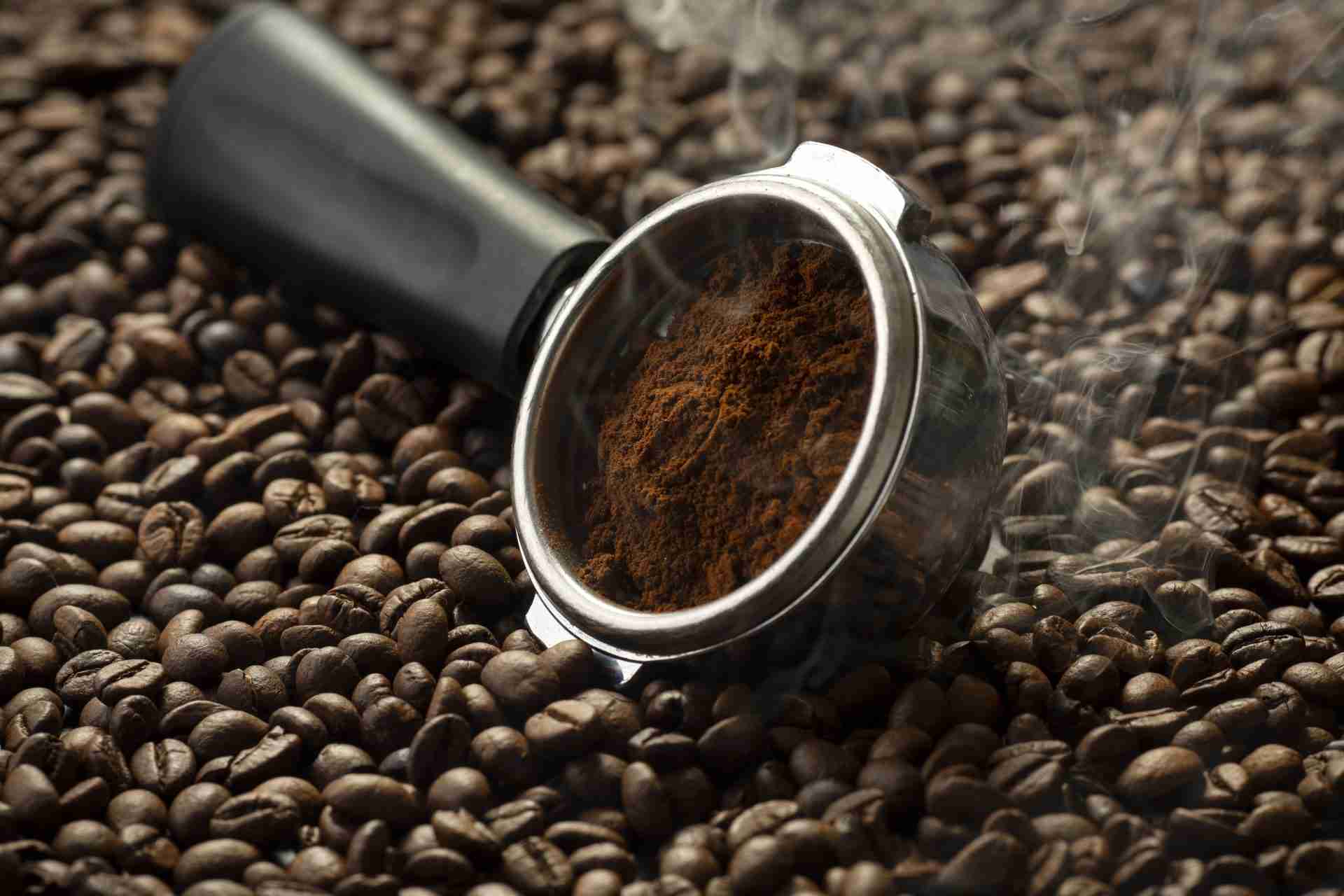
For coffee lovers, few things are more exciting than opening a bag of freshly roasted coffee beans. The aroma alone can make you pause before you even brew a cup. But what does “freshly roasted” actually mean, and can you really taste the difference? The answer is yes—but noticing that difference is less about having an expert palate and more about slowing down and paying attention.
Freshly roasted coffee beans can offer a vibrant combination of aroma, flavor, sweetness, acidity, and body. However, freshness is only one part of the equation. How the beans are stored, ground, and brewed also affects what ultimately reaches your cup. The good news is that you can explore all of these differences with a simple tasting experiment at home or during your next coffeehouse visit.
What Makes Freshly Roasted Coffee Beans Different?
Roasting transforms green coffee beans into the aromatic, flavorful beans we recognize as coffee. During roasting, heat creates chemical changes that develop flavors and aromas ranging from chocolate and caramel to fruit, nuts, flowers, and spices. Once the beans are roasted, they continue to change as they release carbon dioxide and interact with their surroundings.
This is why “fresh” does not necessarily mean coffee that was roasted yesterday. Freshly roasted beans generally benefit from a short resting period after roasting, and the ideal timing can vary depending on the coffee and roast style. What matters is finding coffee that still retains its aromatic and flavorful character while allowing enough time for the beans to settle and brew well.
Start With the Aroma
One of the easiest ways to appreciate fresh coffee beans is to pay attention to their aroma. Before brewing, take a moment to smell the whole beans. Then grind them and smell the grounds again. Finally, notice the aroma once hot water has been added. You may be surprised by how many different characteristics become noticeable at each stage.
Look for familiar scents rather than worrying about identifying a perfect tasting note. Fresh coffee might remind you of chocolate, toasted nuts, brown sugar, citrus, berries, flowers, or warm spices. You do not have to identify an exact flavor to appreciate it. If the aroma seems particularly vibrant, sweet, or inviting to you, that observation is valuable.
Aroma is also a useful way to compare coffee freshness. Beans that have been stored for a long time may seem less expressive, while fresher beans can have a more noticeable fragrance. Paying attention to this difference is a simple first step toward becoming more comfortable with coffee tasting.
Pay Attention to the First Sip
When you taste freshly roasted coffee, resist the temptation to decide immediately whether you like it. Instead, take a small sip and let yourself notice what happens. Coffee can taste different as it cools, so giving it a few moments can reveal characteristics that were less obvious when it was very hot.
Start by considering sweetness. Does the coffee remind you of caramel, chocolate, honey, fruit, or brown sugar? Then think about acidity, which is not necessarily a negative quality. In coffee, acidity can create a bright, lively sensation that may remind you of citrus or certain fruits. Other coffees may have a softer, rounder character with less noticeable acidity.
Next, pay attention to body, or the way the coffee feels in your mouth. Does it seem light and tea-like, smooth and silky, or rich and full? Finally, consider the finish. After you swallow, what flavors remain? Does the coffee disappear quickly, or does a pleasant flavor linger?
There is no single correct answer. Coffee tasting is about observation, not passing a test.
Compare Fresh Beans With Older Beans
If you really want to understand the difference that freshness can make, try a simple side-by-side comparison. Brew two coffees using the same method and, as much as possible, the same water, grind size, coffee-to-water ratio, and brewing time. The goal is to keep everything consistent except the coffee itself.
Taste both cups slowly. Which one has the more noticeable aroma? Which tastes sweeter or more vibrant? Does one have greater clarity, while the other seems flatter? Is the finish longer or more pleasant in one cup?
For an even more interesting experiment, ask another coffee lover to taste both cups without telling them which one is fresher. Compare your observations afterward. You may discover that you notice certain differences while someone else focuses on completely different characteristics.
This kind of tasting is a fun way to learn because it removes the pressure of needing to know all the technical terminology. You are simply paying attention to what you experience.
Freshness Isn’t the Only Factor
While freshly roasted coffee beans can make a noticeable difference, freshness should not be treated as the only measure of coffee quality. A coffee’s origin, variety, processing method, roast level, grind size, water, brewing method, and storage conditions all contribute to its final flavor.
For example, beautifully fresh beans can still produce an underwhelming cup if they are ground incorrectly or brewed inconsistently. Likewise, different origins naturally have different flavor characteristics. A coffee with bright fruit notes will not suddenly taste like chocolate simply because it is fresh.
Understanding this can make coffee tasting even more enjoyable. Instead of asking whether a coffee is simply “fresh” or “not fresh,” think about how freshness interacts with everything else that happens between the roasted bean and your cup.
How to Get the Most From Freshly Roasted Beans
Store Them Properly
Once you bring fresh coffee beans home, protect them from the things that can gradually affect their quality: air, moisture, heat, and excessive light. An airtight container kept in a cool, dry place can help preserve the beans’ character. Try to avoid locations where temperatures or humidity change frequently.
Grind Before Brewing
Whole beans generally retain their qualities better than ground coffee because grinding increases the amount of coffee exposed to air. For that reason, grinding your beans shortly before brewing can help you experience more of their aroma and flavor.
Give the Beans Time
Freshly roasted beans need time to release carbon dioxide after roasting. The ideal resting period varies, so instead of following one universal rule, pay attention to how the coffee tastes over time. You may find that the same beans taste noticeably different several days after roasting.
Brew Consistently
Consistency is especially important when tasting coffee. If you change the grind size, water, brewing time, and coffee ratio every time you make a cup, it becomes difficult to determine whether the difference comes from the beans or the brewing process. A consistent method gives you a clearer picture of what the coffee itself is offering.
Turn Coffee Tasting Into a Simple Ritual
You do not need professional tasting equipment to explore freshly roasted coffee beans. A cup, a brewing method you enjoy, and a little curiosity are enough to get started. You can even keep a small notebook nearby and write down a few words about each coffee.
Try recording its aroma, sweetness, acidity, body, finish, and overall impression. You can also write down what the coffee reminds you of. Perhaps one cup tastes like chocolate-covered nuts, while another makes you think of berries or citrus. These descriptions do not have to sound professional. They only need to make sense to you.
Over time, your notes can help you recognize your own preferences. You may discover that you consistently enjoy bright coffees, naturally sweet coffees, heavier-bodied coffees, or beans with chocolate and nutty characteristics. That awareness can make choosing coffee much more enjoyable.
At Abide Coffeehouse, the experience of enjoying coffee can be approached with that same sense of curiosity. Whether you are trying something familiar or exploring a new flavor profile, taking a little extra time to notice what is in your cup can turn an everyday coffee break into a more memorable experience.
Taste With Curiosity, Not Rules
One of the most important things to remember about coffee tasting is that there is no requirement to taste exactly what someone else tastes. One person might describe a coffee as having berry notes, while another notices something more like chocolate or dried fruit. Both observations can be valid.
Your palate is influenced by your experiences, preferences, and memories. The more coffees you taste, the more familiar you may become with different characteristics, but you never need to turn coffee into a competition.
Instead, approach each cup with curiosity. Ask yourself what you notice, what you enjoy, and what you would like to explore next. Coffee tasting becomes much more rewarding when the goal is discovery rather than perfection.
Freshness Is an Experience
The difference in freshly roasted coffee beans is not just about a date printed on a bag. It is about the experience of opening the package, smelling freshly ground beans, noticing the aroma as the coffee brews, and paying attention to how flavor develops with every sip.
Freshness works alongside good storage, proper grinding, thoughtful brewing, and the natural characteristics of the beans. Together, these details help reveal what makes each coffee unique.
The next time you brew a cup of freshly roasted coffee, slow down for a few extra moments. Smell the beans, notice the first sip, let the coffee cool, and see what changes. You may discover that there is much more waiting in your cup than you noticed before.
Don’t forget to visit our tea shop at Teasperience.
