
We live in a world where almost everything can be accessed from a phone. We order food through apps, scan QR codes, check websites for information, and use digital menus when visiting restaurants and coffee shops. Digital tools have certainly made many everyday tasks more convenient, but convenience is not always the only thing that matters. Sometimes, the experience itself is just as important as how quickly we can complete it.
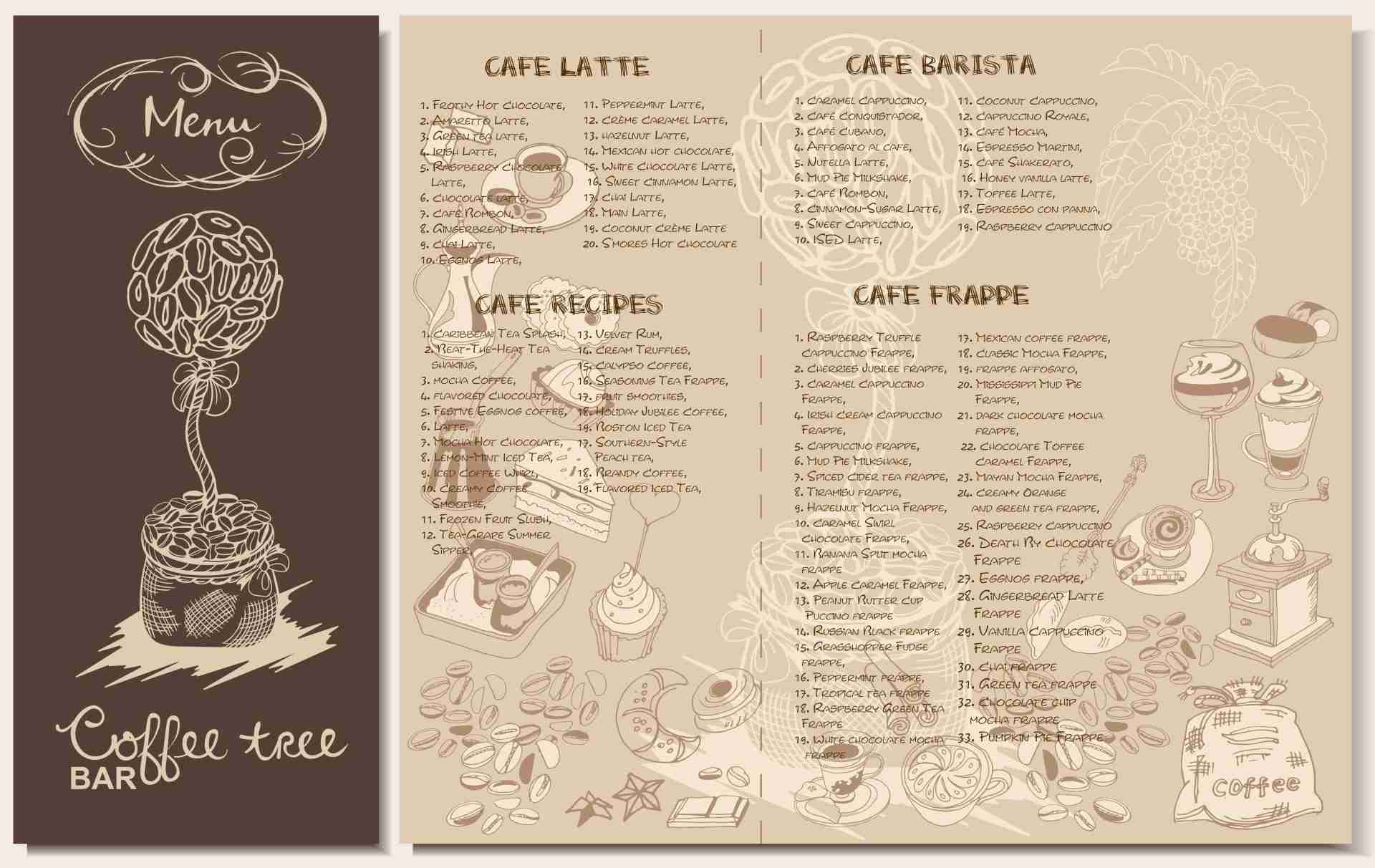
That is one reason physical menus in coffeehouses still have a place. There is something enjoyable about sitting down, picking up a menu, and taking a few moments to browse the choices in front of you. A printed coffee menu invites you to look, read, compare, ask questions, and perhaps discover something you would not have chosen automatically. In a coffeehouse, where the goal is often to slow down and enjoy the moment, that small experience can make a difference.
Physical Menus Create a More Personal Coffeehouse Experience
A physical menu is more than a list of drinks and prices. It is part of the environment. When you pick up a printed menu, you are interacting with something that belongs to the physical space around you rather than another screen. The texture of the paper, the layout, the descriptions, and even the way the menu is presented can contribute to the personality of a coffeehouse.
This can make ordering feel less like a transaction and more like part of the visit. Instead of immediately scanning a code and scrolling through a webpage, you can take your time and explore the menu while sitting in the coffeehouse. That slower process can feel especially fitting in a place where people come to read, talk, work, meet friends, or simply enjoy a cup of coffee.
They Give Your Phone a Break
For many people, their phone is already involved in countless parts of their day. It is used for communication, work, entertainment, navigation, shopping, and much more. When a coffeehouse visit also requires looking at a phone to decide what to order, it can sometimes feel like one more digital task.
A physical coffee menu offers a simple alternative. You can browse without opening an app, checking notifications, or switching between screens. This does not mean phones are unwelcome in coffeehouses or that digital menus are inherently negative. It simply creates another option for people who appreciate moments away from their screens.
For a coffee lover, that can be part of the pleasure of a coffee break. You can look through the menu, notice what is happening around you, chat with the person sitting across from you, and enjoy the atmosphere without making your phone the center of the experience.
Physical Menus Make It Easier to Explore Your Options
There is a certain kind of curiosity that comes from browsing a physical menu. You may walk into a coffeehouse already knowing exactly what you want, but a menu can encourage you to reconsider. Maybe a drink description catches your attention, or you notice an option you have never tried before.
A well-organized coffeehouse menu can make this discovery process easier. Clear categories, descriptions, and thoughtful organization allow customers to take their time and understand what is available. Instead of feeling pressured to make a decision immediately, they can browse first and order when they are ready.
This can be especially helpful for coffee lovers who are interested in expanding their preferences. Trying something new does not have to be intimidating. Sometimes, all it takes is seeing an unfamiliar drink on a menu and having enough time to become curious about it.
A Coffeehouse Menu Can Tell a Story
Menus can also communicate something about the personality of a coffeehouse. The words, design, organization, and presentation can all contribute to how customers experience the space. A menu might feel modern, playful, simple, artistic, traditional, or cozy, depending on how it is created.
The descriptions themselves can also help tell a story. They can introduce customers to different coffee styles, ingredients, flavors, or inspirations. A menu does not have to provide an essay beside every drink, but a thoughtful description can give customers enough information to become interested.
This is where coffee menu design becomes part of the larger coffeehouse experience. Just as lighting, seating, music, and décor contribute to atmosphere, the menu can quietly reinforce the character of the space.
Physical Menus Encourage Conversation
One of the most enjoyable things about a physical menu is that it can become a reason to talk. Friends sitting together might compare their choices or recommend something they have enjoyed before. Someone trying a new type of coffee might ask a barista for guidance. A customer might point to an unfamiliar drink and simply ask, “What is that?”
Those small conversations are part of what makes coffeehouses feel different from places designed only for quick transactions. Coffee has a natural connection to conversation, and the menu can become one more invitation to interact.
At Abide Coffeehouse, that sense of connection fits naturally with the idea of coffee as more than a beverage. A visit can include the coffee itself, but also the conversation, atmosphere, community, and little moments that happen around the cup.
Physical Menus and Digital Menus Can Coexist
Keeping a physical menu does not mean rejecting technology. In fact, physical and digital menus can complement one another quite well. Digital menus can be useful for customers who want to browse before visiting, check information remotely, or access details that may be easier to update online.
Digital formats can also offer flexibility. Businesses can update information quickly, provide additional details, and make menus accessible from different locations. For some customers, a digital menu may simply be the most convenient option.
Physical menus, meanwhile, serve a different purpose. They support in-person browsing, contribute to the atmosphere, encourage conversation, and allow customers to step away from their phones while making their choices. Offering both options can give customers the flexibility to interact with a coffeehouse in the way that works best for them.
The question does not have to be whether physical menus or digital menus are better. Instead, it can be about how each format contributes something different to the overall customer experience.
Physical Menus Help Make Coffeehouse Visits Feel Intentional
Coffee rituals are often built around small moments. Brewing a cup in the morning, meeting someone for an afternoon coffee, reading while enjoying a drink, or taking a few minutes to sit quietly can all become meaningful routines.
A physical menu can support that sense of intentionality by keeping the ordering experience connected to the physical coffeehouse. Instead of immediately reaching for a phone, you can sit with the menu and give yourself a moment to decide.
That small pause can become part of the ritual. You might discover a new drink, ask a question, or simply enjoy looking through the choices. The menu becomes one of several details that encourage you to engage with the space rather than rushing through it.
The Simple Pleasure of Browsing a Menu
There is also something pleasantly familiar about reading a printed menu. For some people, it may bring back memories of visiting cafés, restaurants, bookstores, or other places where menus were part of the experience.
Browsing can be enjoyable even when you already know what you want. You might notice a seasonal option, remember a drink you enjoyed previously, or become curious about something completely different. A physical menu gives you room to wander through those possibilities without necessarily feeling like you are searching for information.
For coffee lovers, that simple act of browsing can become part of the fun. Your regular order will always be there, but occasionally giving yourself permission to explore can lead to a new favorite.
Why the Physical Menu Still Belongs in the Coffeehouse
There are plenty of reasons to keep physical menus around. They create a tangible connection to the coffeehouse, make browsing more personal, encourage conversation, support discovery, and give customers an opportunity to step away from their screens for a moment.
Most importantly, a printed menu can contribute to the feeling that you are somewhere rather than simply completing a digital transaction. A coffeehouse is a physical environment, and every detail—from the coffee and seating to the conversations and menu—can contribute to that experience.
Technology has an important role to play, and digital menus can be genuinely useful. But keeping a physical menu is a reminder that not every part of the coffeehouse experience needs to happen through a screen.
Keeping the Coffeehouse Experience Human
The digital world has given us countless convenient ways to find information and make decisions. There is nothing wrong with taking advantage of those conveniences. At the same time, there is value in preserving some of the simple, tangible experiences that make visiting a coffeehouse special.
A physical menu gives customers a chance to slow down, browse, ask questions, discover something new, and connect with the people around them. It is a small detail, but small details often shape how a place feels.
So the next time you visit your favorite coffeehouse, take a moment to pick up the menu and actually browse it—even if you think you already know what you want. You might discover a new drink, start an unexpected conversation, or simply enjoy a few screen-free moments before your coffee arrives.
Don’t forget to visit our tea shop at Teasperience.
