
There’s something special about slowing down to make a great cup of coffee. While automatic coffee makers are convenient, many coffee lovers are discovering the joy of pour over coffee—a brewing method that transforms a daily routine into a mindful ritual.
Pour over coffee has become a favorite in specialty coffee shops because it allows the unique flavors of each coffee bean to shine. With just a few simple tools and a little practice, you can brew a clean, balanced, and flavorful cup right in your own kitchen.
If you’ve always wanted to learn how to make pour over coffee but felt intimidated by the process, don’t worry. This beginner’s guide will walk you through everything you need to know, from choosing the right equipment to mastering your first brew.
At Abide Coffeehouse, we believe great coffee starts with quality beans, thoughtful preparation, and an appreciation for the craft behind every cup. Whether you’re completely new to manual brewing or looking to improve your technique, this guide is a great place to start.
What Is Pour Over Coffee?
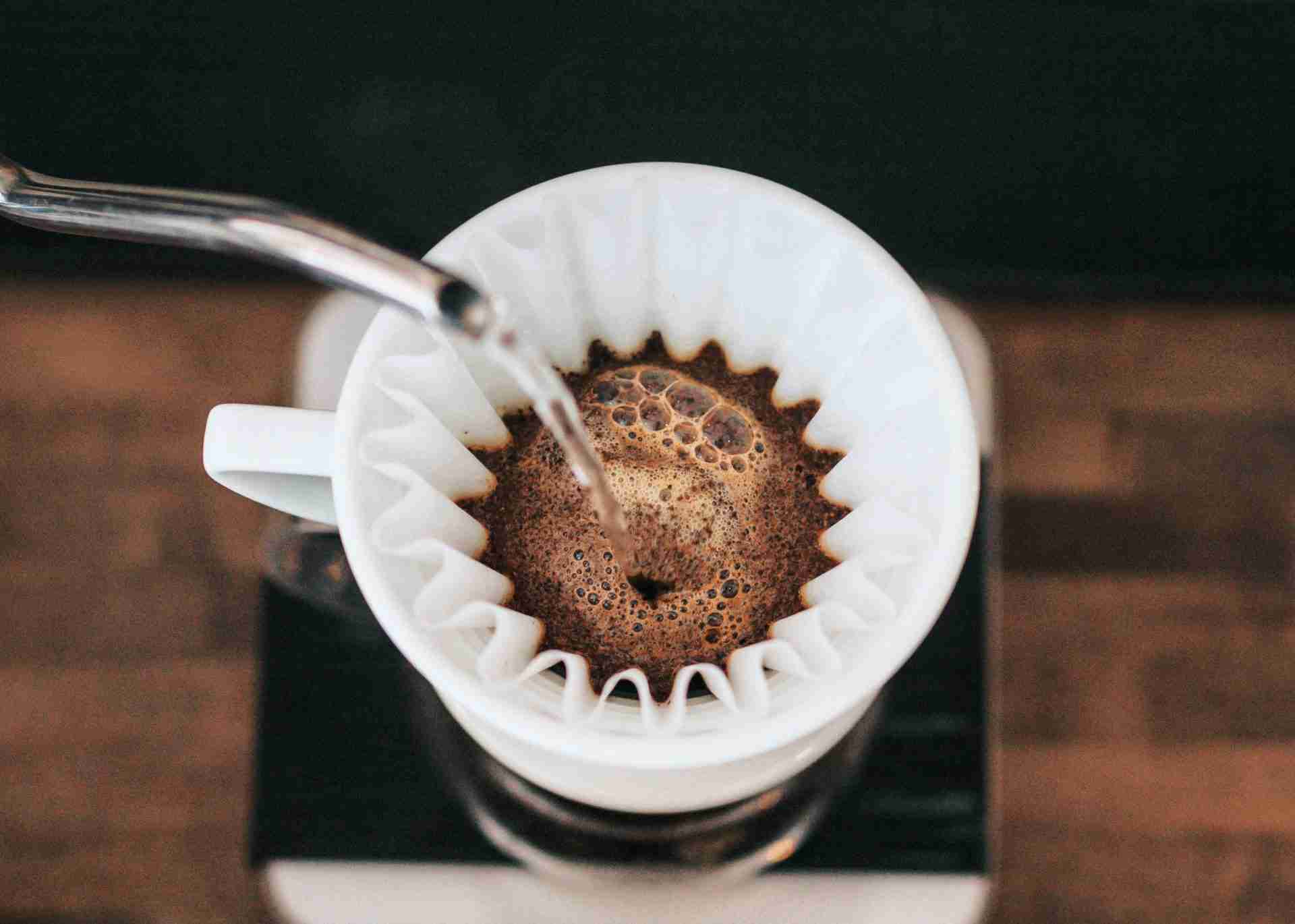
Pour over coffee is a manual brewing method where hot water is slowly poured over freshly ground coffee held inside a filter. As the water passes through the grounds, it extracts the coffee’s flavors before dripping into a mug or server below.
Unlike an automatic drip coffee maker, pour over brewing gives you full control over important variables like water temperature, pouring speed, and brewing time. This extra control allows you to create a cup that highlights the natural characteristics of the coffee.
Many specialty cafés favor pour over brewing because it produces a clean, crisp flavor that lets subtle tasting notes—such as citrus, chocolate, berries, or floral aromas—stand out.
Why Coffee Lovers Enjoy Pour Over Brewing
One of the biggest reasons coffee enthusiasts love pour over coffee is the clarity of flavor it offers. Instead of masking the coffee’s unique characteristics, this brewing method brings them to the forefront.
Some of the biggest benefits include:
- Clean, smooth, and balanced coffee
- Greater control over every step of the brewing process
- The ability to highlight the origin and roast profile of the beans
- A relaxing, hands-on brewing experience
- Endless opportunities to experiment with recipes and techniques
Many people also find the process itself enjoyable. Measuring the coffee, heating the water, and carefully pouring each stage encourages you to slow down and appreciate the moment before your first sip.
What You’ll Need to Get Started
One of the best things about pour over coffee is that you don’t need a professional café setup to get started. A few basic tools are all it takes.
Pour Over Dripper
This is the brewer that holds the filter and coffee grounds. Popular options include ceramic, glass, plastic, and metal drippers.
Filter
Paper filters create a clean, bright cup, while reusable metal filters allow more coffee oils to pass through, producing a fuller body.
Gooseneck Kettle
A gooseneck kettle offers greater control over your pouring speed and direction, making it much easier to brew consistently.
Fresh Coffee Beans
Freshly roasted whole beans provide the best flavor. Buying whole beans and grinding them just before brewing makes a noticeable difference.
Burr Grinder
A burr grinder produces a more consistent grind than a blade grinder, which helps ensure even extraction.
Digital Scale
Measuring both coffee and water creates consistent results every time.
Timer
Keeping track of brew time helps you refine your technique as you practice.
The good news is that you don’t need the most expensive equipment to make excellent coffee. Good technique matters far more than fancy gear.
Choosing the Right Coffee Beans
The quality of your coffee starts with the beans.
Whenever possible, choose freshly roasted whole beans and grind them immediately before brewing. Fresh coffee contains more of the aromatic compounds that create sweetness, complexity, and depth of flavor.
Medium and light roast coffees are especially popular for pour over because they preserve many of the bean’s natural characteristics.
Single-origin coffees are another excellent choice. Since they come from one specific region or farm, they often showcase distinctive flavor notes that pour over brewing highlights beautifully.
Don’t be afraid to experiment with beans from different countries—you may discover entirely new flavor profiles that become your favorites.
How to Make Pour Over Coffee: Step by Step
Brewing pour over coffee is straightforward once you understand the basics.
Step 1: Heat the Water
Heat fresh filtered water to approximately 195–205°F (90–96°C). Water that’s too hot can over-extract the coffee, while cooler water may leave it tasting weak.
Step 2: Grind the Coffee
Grind your beans to a medium consistency, similar to coarse sand or sea salt.
A typical starting point is using a 1:16 coffee-to-water ratio, such as 20 grams of coffee for 320 grams of water.
Step 3: Rinse the Filter
Place the paper filter in your dripper and rinse it with hot water.
This removes any paper taste while also preheating your brewer and mug. Be sure to discard the rinse water before adding coffee.
Step 4: Add the Coffee Grounds
Place the ground coffee into the filter and gently shake the dripper to create an even, level coffee bed.
This helps ensure the water extracts evenly.
Step 5: Bloom the Coffee
Slowly pour just enough water to saturate all the grounds.
Allow the coffee to bloom for about 30 to 45 seconds.
During this stage, trapped carbon dioxide escapes from freshly roasted coffee, allowing for better extraction throughout the rest of the brew.
Step 6: Continue Pouring
Continue pouring the remaining water slowly in gentle circular motions.
Try to maintain a consistent water level without pouring directly onto the paper filter.
Slow, even pours encourage balanced extraction and a smoother cup.
Step 7: Let It Finish Brewing
The entire brewing process typically takes about three to four minutes.
Once the water has passed through the coffee bed, remove the dripper and enjoy your freshly brewed pour over coffee.
Common Beginner Mistakes
Learning any brewing method takes practice, and pour over coffee is no exception.
Some common mistakes include:
- Using water that’s too hot or too cold
- Grinding the coffee too fine or too coarse
- Pouring water too quickly
- Skipping the bloom
- Using stale or pre-ground coffee
- Guessing measurements instead of weighing ingredients
Don’t be discouraged if your first few brews aren’t perfect. Small adjustments often make a big difference, and every cup teaches you something new.
Tips for Brewing Better Pour Over Coffee
As your confidence grows, these simple habits can help improve your results.
- Buy freshly roasted coffee whenever possible.
- Grind your beans immediately before brewing.
- Use filtered water for a cleaner taste.
- Measure both coffee and water with a digital scale.
- Keep your brewing equipment clean.
- Experiment with different brew ratios and pouring techniques.
- Keep notes on recipes you enjoy so you can recreate them.
The beauty of pour over brewing is that there’s always something new to learn.
Why Pour Over Is Worth Learning
Pour over coffee isn’t just about making a better beverage—it’s about building a deeper appreciation for coffee itself.
As you become more familiar with different beans, roast levels, and brewing techniques, you’ll begin noticing flavors and aromas you may never have experienced before.
Many specialty cafés, including Abide Coffeehouse, embrace pour over brewing because it highlights the care that goes into sourcing, roasting, and preparing exceptional coffee. Every cup tells a story, and pour over allows those unique characteristics to shine.
Start Your Pour Over Journey
Learning how to make pour over coffee may seem challenging at first, but it’s one of the most rewarding brewing methods you can master. With a few simple tools, quality beans, and a little patience, you’ll soon be brewing café-quality coffee at home.
Remember, great coffee isn’t about having the most expensive equipment—it’s about paying attention to the details and enjoying the process.
The next time you’re looking to slow down and savor your morning coffee, give pour over brewing a try. And if you’d like to experience expertly brewed coffee before making it yourself, stop by Abide Coffeehouse. You might just discover a new favorite bean—and the inspiration to bring the art of pour over into your own home.
