
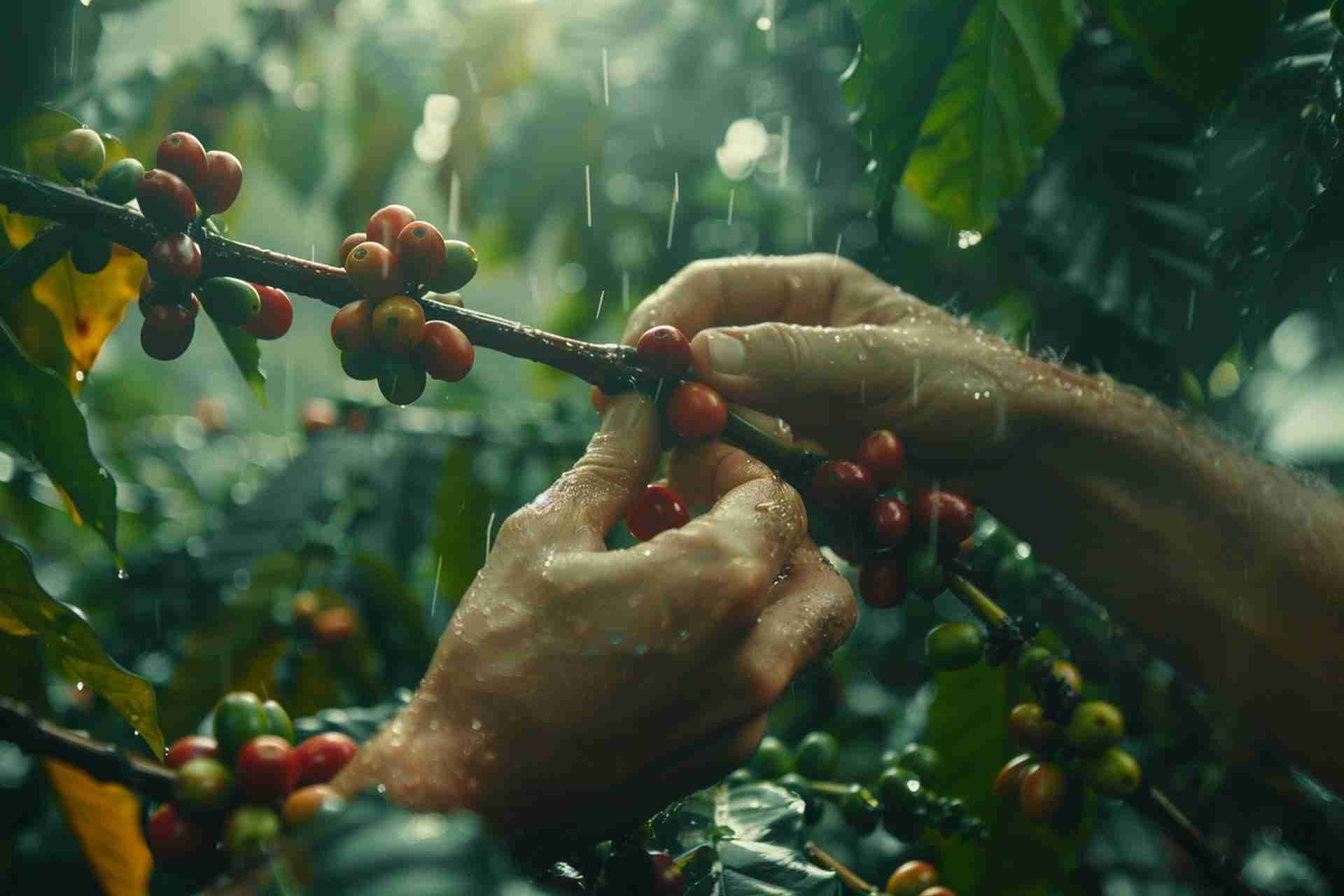
Every cup of coffee has a story behind it. Before the beans were roasted, ground, and brewed, they grew in a particular place, surrounded by a specific climate, soil, elevation, and farming tradition. These details help make each coffee unique, which is one of the reasons exploring coffee origins can be so much fun.
For coffee lovers, learning where coffee comes from can turn an everyday cup into an opportunity for discovery. A coffee from Ethiopia may remind you of berries or flowers, while a coffee from Brazil might bring chocolate and nutty flavors to mind. Colombia, Guatemala, and Costa Rica each offer their own characteristics, too.
Of course, origin isn’t the only thing that determines flavor. Coffee variety, processing method, roasting, and brewing all influence the final cup. Still, understanding where your coffee comes from is a great place to start.
At Abide Coffeehouse, we love the curiosity that comes with exploring coffee. So, let’s take a journey through five coffee origins that are especially interesting to explore.
What Makes a Coffee Origin Unique?
Before looking at our five favorites, it’s helpful to understand why coffees from different places can taste so different.
Climate plays an important role. Coffee plants grow best in specific environmental conditions, and temperature and rainfall can influence how the coffee cherries develop. Altitude can also affect the pace of bean development and contribute to differences in flavor and acidity.
Then there’s soil. The characteristics of the land where coffee grows contribute to the overall growing environment. Different coffee varieties and farming practices add another layer of complexity.
Processing is important, too. Washed, natural, and honey-processed coffees can have noticeably different characteristics, even when they come from the same region. Finally, roasting and brewing determine how those qualities show up in your cup.
That’s why there isn’t one flavor that represents an entire country. Instead, think of each origin as offering a general starting point for exploration.
1. Ethiopia: Bright, Floral, and Complex
Ethiopia is one of the most fascinating coffee-growing regions to explore. It is widely recognized for its important place in coffee history and for the remarkable diversity found among coffees from different parts of the country.
Many Ethiopian coffees are associated with bright, expressive flavors. Depending on the region, variety, and processing method, you may notice floral aromas, citrus, berries, stone fruit, or tea-like qualities.
Natural-processed Ethiopian coffees can sometimes offer particularly fruit-forward characteristics, while washed coffees may present a cleaner and more delicate profile. This contrast makes Ethiopia a great origin for anyone who enjoys comparing different styles of coffee.
If you like coffee that feels vibrant, aromatic, and full of character, Ethiopian coffee is an excellent place to begin your exploration.
The best part is that there’s always more to discover. Even after finding an Ethiopian coffee you love, another coffee from a different region or processing method can offer a completely new experience.
2. Colombia: Balanced, Sweet, and Versatile
Colombia is one of the world’s best-known coffee-producing countries, and for good reason. Its mountainous landscape provides a wide range of growing environments, which contributes to the diversity of Colombian coffee.
Many Colombian coffees are known for balanced flavor profiles that can include caramel-like sweetness, chocolate, nuts, fruit, and pleasant acidity. Because these characteristics can work together so well, Colombian coffee is often an approachable choice for both beginners and experienced coffee drinkers.
One of the things we appreciate about Colombian coffee is its versatility. Depending on the coffee itself and how it is roasted and brewed, it can work beautifully as a bright morning cup or a richer, more comforting brew.
If you’re new to exploring coffee origins, Colombia can be a particularly friendly place to start. It offers enough complexity to keep experienced coffee lovers interested while still providing familiar flavors that many beginners enjoy.
3. Guatemala: Rich, Sweet, and Layered
Guatemala is another Central American origin that deserves a spot on our list. Its diverse landscape, mountainous growing regions, volcanic soils, and different microclimates create a variety of environments for coffee production.
Guatemalan coffees are often associated with flavors such as chocolate, caramel, citrus, stone fruit, and spices. Depending on where the coffee was grown and how it was processed, you may encounter a cup that feels rich and comforting or one that is brighter and more fruit-forward.
This variety is what makes Guatemalan coffee so interesting. Two coffees from the same country can offer very different experiences, reminding us that “origin” is only the beginning of the story.
For coffee lovers who enjoy depth and layered flavors, Guatemala is an origin worth exploring. It can offer the familiar comfort of chocolate and sweetness while introducing more interesting fruit and spice notes.
4. Brazil: Smooth, Nutty, and Comforting
When discussing coffee-producing countries, Brazil deserves special attention. It is the world’s largest coffee producer and has an enormous range of coffee-growing environments.
Many Brazilian coffees are associated with smooth, approachable flavors such as chocolate, nuts, caramel, and dried fruit. Some also have a softer acidity, which can make them especially appealing to people who prefer a rich and comforting cup.
Brazilian coffees are also commonly used in espresso blends, where their body and sweetness can complement other coffees. But they can certainly be enjoyed on their own, giving you another opportunity to appreciate the characteristics of this major coffee origin.
If bright, highly acidic coffees aren’t your favorite, Brazil may be a good place to explore. A chocolatey, nutty Brazilian coffee can be an easy and enjoyable choice for anyone who likes coffee that feels familiar and satisfying.
5. Costa Rica: Clean, Bright, and Refreshing
Costa Rica may be smaller than some of the other countries on our list, but it has earned an important place in the world of coffee.
The country’s mountainous terrain and coffee-growing traditions provide excellent conditions for producing distinctive coffees. Costa Rican coffees are often associated with clean, bright profiles featuring citrus, fruit, floral notes, and honey-like sweetness.
Costa Rica is also well known for its honey processing tradition. In this method, some of the sticky fruit material surrounding the coffee seed is left on during drying. The result can contribute different characteristics to the finished coffee, depending on the process and other factors.
For coffee drinkers who enjoy crisp, refreshing cups, Costa Rica is an exciting origin to try. It can be particularly enjoyable when you’re looking for something vibrant and different from a heavier, chocolate-forward coffee.
How to Compare Coffee Origins at Home
You don’t need professional tasting equipment to start exploring coffee flavor profiles. In fact, one of the easiest ways to learn about coffee origins is to compare two coffees side by side.
Start by choosing coffees from two different origins. Brew them using the same method and, as much as possible, use the same coffee-to-water ratio. This helps you focus on the differences between the coffees rather than differences in preparation.
Before tasting, smell each coffee. Then take a sip and think about what you notice. Is it fruity, nutty, chocolatey, floral, sweet, bright, smooth, or something else?
You don’t need to identify an exact fruit or specific spice. Start with broad descriptions and pay attention to what you enjoy.
If you want to go further, try brewing the same coffee using another method. You may be surprised by how much the experience changes.
Most importantly, remember that tasting coffee isn’t a test. There are no wrong answers when you’re describing what you enjoy.
Which Coffee Origin Is Right for You?
Your favorite origin ultimately comes down to personal taste. As a simple starting point:
- Love floral and fruity flavors? Explore Ethiopia.
- Prefer balanced, sweet coffee? Try Colombia.
- Enjoy rich and layered flavors? Explore Guatemala.
- Like smooth, nutty, chocolatey coffee? Try Brazil.
- Prefer bright and clean cups? Give Costa Rica a try.
These descriptions are general tendencies, not rules. A Colombian coffee can be fruit-forward, a Brazilian coffee can be bright, and an Ethiopian coffee can be rich and chocolatey depending on the variety, processing method, roast, and brewing technique.
That’s exactly what makes exploring coffee so interesting.
Exploring Coffee Origins at Abide Coffeehouse
Learning about coffee origins can change the way you experience your everyday cup. Instead of simply thinking, “I like this coffee,” you can start asking questions about why you like it.
Where was it grown? What flavors are present? How was it processed? How was it roasted? What brewing method brings out its best characteristics?
At Abide Coffeehouse, we appreciate that sense of curiosity. Coffee doesn’t have to be complicated to be interesting. Sometimes, simply paying closer attention to what’s in your cup can help you discover new preferences and appreciate the work behind every bean.
Whether you’re a longtime coffee enthusiast or just beginning to explore different coffee origins, every cup offers another opportunity to learn.
There’s a Whole World in Your Coffee Cup
Ethiopia, Colombia, Guatemala, Brazil, and Costa Rica are just five of the many fascinating coffee origins around the world. Each offers different growing environments, traditions, varieties, processing methods, and flavor possibilities.
But exploring coffee doesn’t have to mean memorizing every region or learning complicated tasting terminology. Start with curiosity. Try something unfamiliar. Compare two coffees. Pay attention to what you enjoy.
Over time, you’ll begin to recognize patterns in your preferences. You may discover that you love bright, fruity coffees in the morning or prefer a smooth, chocolatey cup in the afternoon. You might even find yourself looking forward to trying coffees from places you’ve never tasted before.
The next time you take a sip, think beyond the cup. Consider the place where the coffee began, the people who grew and processed it, and the journey that brought it to you.
There is a whole world in your coffee cup—and exploring it can make every sip a little more interesting.
Don’t forget to visit our tea shop at Teasperience.
