
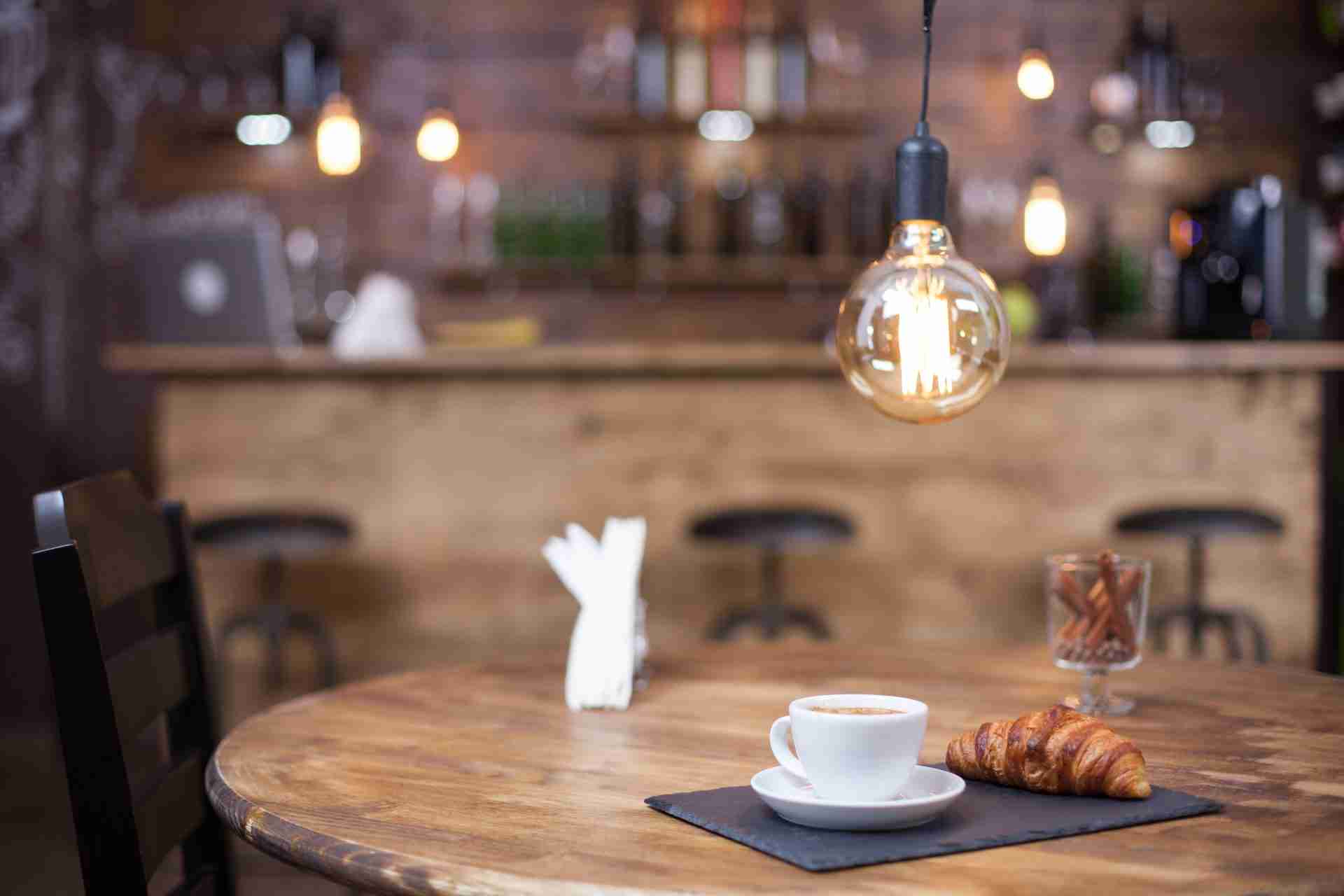
When you walk into a coffeehouse, you probably notice the coffee first. You may smell freshly brewed beans, hear the sounds of conversation and cups being placed on tables, and look forward to that first sip. But there is another part of the experience that often influences how you feel without demanding your attention: the space itself. The lighting, seating, layout, colors, and amount of room between tables all contribute to the atmosphere of a coffeehouse.
Good coffeehouse design is about much more than making an interior look attractive. It is about creating a place where people can comfortably enjoy coffee in different ways. One person may want to meet a friend and talk for an hour, while another may want to read quietly, work for a while, write in a journal, or simply sit with a cup of coffee and watch the world go by. Thoughtful use of light and space can help make room for all of these experiences, turning a coffeehouse into more than a place to order a drink.
Why Does Coffeehouse Design Matter?
The physical environment plays an important role in shaping the overall coffeehouse experience. Before customers have even taken their first sip, they are already responding to the space around them. A welcoming entrance, comfortable seating, clear pathways, and pleasant lighting can make it easier for people to settle in and enjoy their visit. On the other hand, a space that feels crowded, difficult to navigate, or poorly lit may create a very different experience, even when the coffee itself is excellent.
This does not mean that every coffee shop needs the same design or that there is one perfect coffeehouse layout. Different communities and customers have different preferences. What matters is creating an environment where the design feels intentional and supports the way people naturally want to use the space. When furniture, lighting, and open areas work together, the result can feel comfortable and effortless rather than overly designed.
The Power of Light in a Coffeehouse
Light is one of the most noticeable elements of interior design, even when we do not consciously think about it. The amount, direction, and quality of light can change the character of a room and influence how different areas are experienced. In a coffeehouse, lighting needs to serve practical purposes while also contributing to the atmosphere that makes people want to stay awhile.
Natural Light Creates a Connection With the Outdoors
Natural light can give a coffeehouse a sense of openness and create a visual connection with the world outside. Windows allow daylight to become part of the interior, and the quality of that light naturally changes as the day progresses. Morning sunlight may create a bright and energetic atmosphere, while softer afternoon light can give the same room an entirely different character.
Natural light can also bring attention to the details of a coffeehouse interior. Wood, fabrics, plants, artwork, and other materials may look different depending on the time of day and the direction of the light. For coffee lovers, there can be something particularly enjoyable about sitting near a window with a cup of coffee and watching the environment change around you.
Artificial Lighting Sets the Mood
Of course, a coffeehouse cannot rely on daylight alone. Artificial lighting becomes especially important during cloudy days, evenings, and darker hours. The goal is not simply to make the room bright enough to see. Different types of lighting can help define different areas and create a more balanced environment.
General lighting provides overall visibility, while focused lighting can draw attention to a counter, table, or particular area. Softer lighting can create a more intimate feeling in spaces intended for conversation or relaxation. The key is balance. Lighting that is too harsh may make a space feel less comfortable, while lighting that is too dim may make reading or working difficult. Thoughtful coffeehouse lighting considers both function and atmosphere.
How Space Shapes the Coffeehouse Experience
Space is just as important as light when it comes to coffee shop design. A coffeehouse needs enough room for customers and staff to move naturally, but it also needs seating that allows people to feel comfortable once they settle down. The arrangement of tables, chairs, counters, and walkways can make a significant difference in how easy and welcoming a space feels.
A thoughtful coffeehouse layout considers movement from the moment someone enters. Customers need to understand where to order, where to wait, and where they can sit without having to navigate an unnecessarily complicated arrangement. At the same time, seating should not feel so tightly packed that people have little room to move or enjoy a conversation. Good design finds a balance between efficiency and comfort.
The amount of open space matters, too. A completely empty room can feel disconnected, while an overcrowded room can feel overwhelming. A well-planned interior uses space intentionally, giving people enough room to move while still creating the warmth and energy that make a coffeehouse feel alive.
Creating Different Spaces for Different People
One of the interesting things about coffeehouses is that people rarely use them in exactly the same way. A coffeehouse might be a meeting place in one moment and a quiet retreat in another. Good coffeehouse design can recognize these different needs without requiring completely separate rooms for every activity.
Spaces for Conversation
Comfortable seating arrangements can naturally encourage conversation. Tables positioned so people can easily face one another create a more social environment, while enough space between seating areas helps conversations feel comfortable. Whether customers are catching up with an old friend or meeting someone for the first time, the physical arrangement of a coffeehouse can support the experience.
Spaces for Quiet Moments
Not everyone visits a coffeehouse to socialize. Some people want to read, journal, think, or simply enjoy their coffee alone. Seating that provides a little more personal space can create an environment where customers feel comfortable spending time by themselves without feeling isolated from the rest of the room.
Spaces for Work and Focus
Coffeehouses have also become familiar environments for people who occasionally work or study outside their usual surroundings. A practical coffeehouse interior can accommodate this without allowing work to dominate the entire atmosphere. Comfortable seating, appropriate lighting, and enough personal space can make a significant difference for someone spending time with a laptop, notebook, or book.
Spaces for Community
At the same time, coffeehouses are gathering places. Open areas and flexible seating can make it easier for people to interact, participate in gatherings, or simply share the same environment. This is where design and community naturally intersect: the physical space can create opportunities for people to connect without forcing interaction.
The Relationship Between Light, Color, and Materials
Light does not exist independently from the rest of a coffeehouse interior. It interacts with colors, textures, furniture, walls, floors, and decorative materials to create the overall visual experience. A wooden surface may look warm under soft lighting, while the same surface can appear noticeably different in strong daylight.
This relationship is an important part of coffeehouse interior design because it helps create visual consistency. Colors and materials can complement the available natural light, while artificial lighting can highlight particular features after the sun goes down. When these elements work together, the interior can feel cohesive rather than like a collection of unrelated design decisions.
For coffee lovers, these details may not be something you consciously analyze during every visit. You may simply notice that a particular corner feels comfortable or that the space seems especially inviting at a certain time of day. Often, that feeling comes from several small design decisions working together.
Design Can Encourage People to Slow Down
Modern life often encourages people to move quickly from one responsibility to another. A coffeehouse can provide a welcome change of pace simply by offering a comfortable place to sit. Thoughtful lighting, inviting seating, and an uncluttered layout can make it easier to settle in rather than immediately feeling like you need to move on.
This is where the physical environment connects with the ritual of drinking coffee. Ordering a drink, choosing a place to sit, taking the first sip, opening a book, starting a conversation, or simply looking out a window can become part of a more intentional experience. The design does not create the moment by itself, but it can provide an environment that supports it.
At Abide Coffeehouse, the connection between coffee and the experience surrounding it is part of what makes a coffeehouse meaningful. Whether someone is enjoying conversation, taking a quiet break, meeting a friend, or simply savoring a favorite drink, the environment can help make that time feel distinct from the rest of the day.
Small Design Details Make a Big Difference
Memorable coffeehouse design does not necessarily require dramatic architecture or elaborate decorations. Sometimes, the smallest practical decisions have the greatest impact. A comfortable chair, a well-positioned table, a clear walkway, or lighting that makes a reading corner pleasant can all contribute to how people experience a space.
These details are easy to overlook individually, but together they create a sense of intention. Customers may not walk into a coffeehouse thinking about the distance between tables or the placement of a light fixture, but they may notice that they feel comfortable sitting there. That overall sense of comfort is often the result of many small choices working together.
Good design also leaves room for flexibility. People should be able to use a coffeehouse in different ways without feeling as though they are disrupting the intended atmosphere. The best spaces can accommodate quiet moments, conversation, work, creativity, and community while maintaining a recognizable identity.
What Coffee Lovers Can Notice on Their Next Visit
The next time you visit a coffeehouse, try looking at the space a little differently. Instead of focusing only on your drink, take a few moments to notice how the environment has been designed. Where does natural light enter the room? Does the atmosphere change as the day progresses? Which seating areas seem best suited for conversation, and which ones seem comfortable for enjoying coffee alone?
You can also pay attention to how easy it is to move through the coffeehouse. Are the pathways clear? Do tables feel comfortably spaced? How do the colors and materials look under the available lighting? Is there a particular corner where you naturally want to sit? These observations can help you appreciate how much thought can go into creating a welcoming coffeehouse.
You may even discover that your favorite table or seating area is your favorite for a reason. Perhaps it receives beautiful afternoon light, gives you enough space to read, or allows you to enjoy the activity of the coffeehouse without being in the middle of it. Once you start paying attention, the connection between design and experience becomes much easier to see.
Designing a Coffeehouse Around People
Ultimately, coffeehouse design is about people. Light, furniture, colors, materials, and layout all have practical and aesthetic purposes, but their greatest value comes from how they support the people who use the space. A beautiful room that is uncomfortable or difficult to navigate will not create the same experience as a thoughtfully designed space where people feel welcome.
There is also no universal formula for the perfect coffee shop interior. A neighborhood coffeehouse may have a completely different atmosphere from a large urban café, and both can be successful when their design reflects the needs of their communities. What matters is finding a thoughtful balance between beauty, functionality, comfort, and connection.
This is where design becomes part of hospitality. When people have enough space to move comfortably, lighting that suits the environment, seating that supports different activities, and an atmosphere that feels welcoming, they are given the freedom to enjoy coffee in their own way.
The Space Around the Coffee Matters
A great cup of coffee is important, but the experience surrounding that cup can shape the way we remember it. Light can make a room feel open, warm, bright, or intimate. Space can encourage conversation, provide room for quiet reflection, or make it easier to focus. Seating, colors, materials, and small details bring those elements together into a complete coffeehouse experience.
The next time you visit your favorite coffeehouse, take a moment to look beyond the menu. Notice the light coming through the windows, the arrangement of the tables, the comfortable corners, and the way people use the space around you. You may begin to see the coffeehouse not simply as a place where coffee is served, but as a carefully shaped environment where people can pause, connect, create, and enjoy the moment.
Sometimes, the most successful coffeehouse design is the kind you barely notice. You simply walk in, find a comfortable place to sit, take a sip of coffee, and feel like you are exactly where you want to be.
Don’t forget to visit our coffee and products shop at Abide Grounds.
