
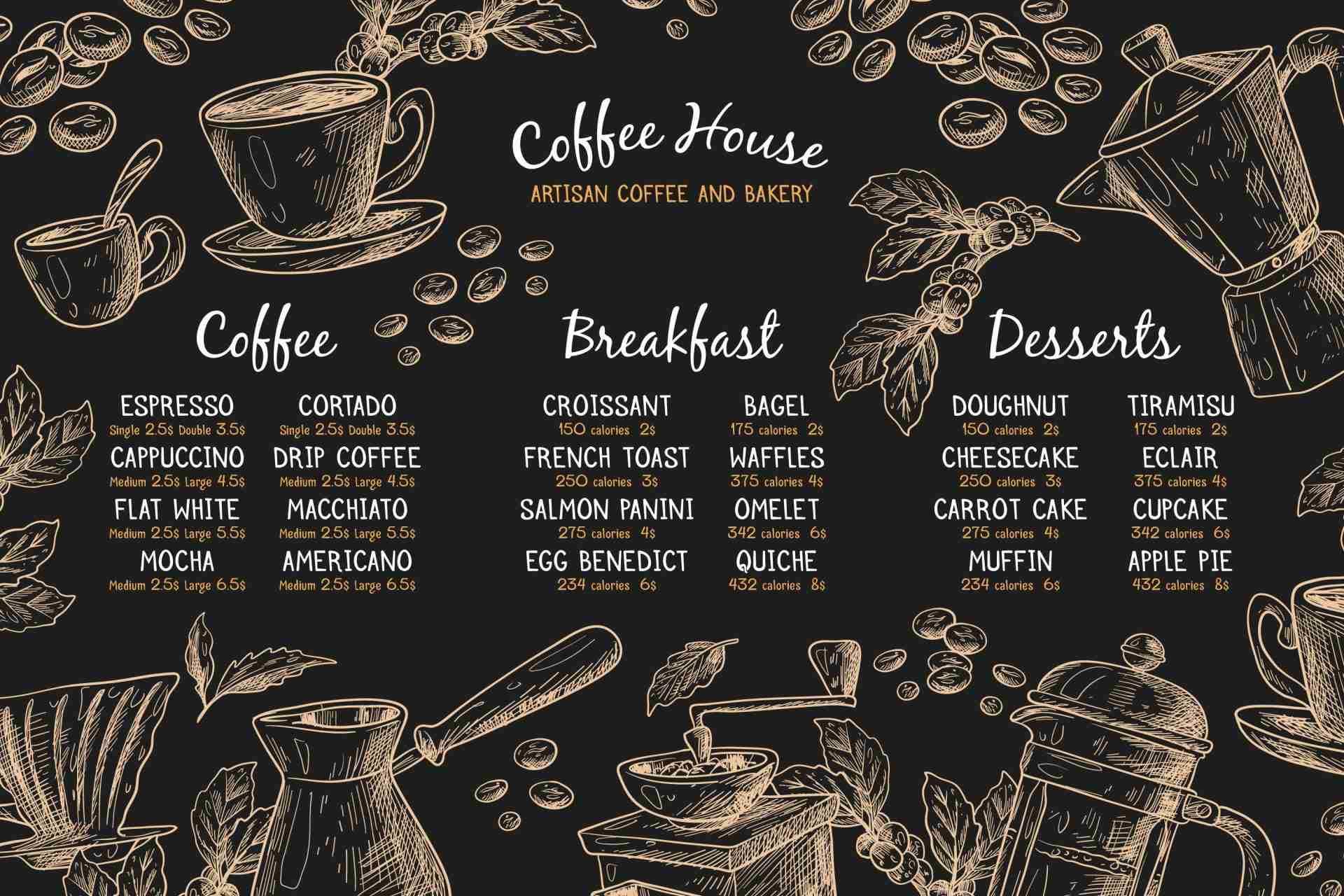
Walking into a coffeehouse and looking at the menu can be one of the most exciting parts of the experience. There is something inviting about seeing familiar favorites alongside drinks you have never tried before. At the same time, a menu with too many choices can quickly become overwhelming. Between espresso drinks, brewed coffee, iced beverages, specialty combinations, flavors, sizes, and customizations, deciding what to order can sometimes feel like a bigger task than expected.
That is why designing a coffee menu with intention matters. A well-planned coffee menu is more than a list of beverages. It helps communicate the personality of a coffeehouse, guides customers toward choices that suit their preferences, and creates opportunities to discover something new. Every category, description, and drink can play a role in shaping the overall coffeehouse experience. For coffee lovers, understanding this process can also make the next visit more interesting because the menu itself becomes part of the story.
What Does It Mean to Design a Coffee Menu With Intention?
Intentional coffee menu design means thinking carefully about why each drink belongs on the menu. Instead of simply adding as many options as possible, a coffeehouse considers how its selection works together and what it wants customers to experience.
A thoughtful menu balances variety with simplicity. It gives customers enough choices to find something they enjoy without requiring them to study a long list before ordering. It also considers how drinks are organized, how they are described, and how easily someone unfamiliar with a particular beverage can understand it.
In many ways, a coffee menu is an introduction to a coffeehouse. Before customers take their first sip, the menu is already communicating something about the atmosphere, priorities, and personality of the space.
Start With the Coffeehouse’s Identity
Every coffeehouse has its own personality, and the menu should support that identity. Some spaces may emphasize classic coffee traditions, while others may encourage experimentation with flavors, preparation methods, or specialty drinks. A thoughtful menu reflects those differences rather than trying to look like every other coffeehouse.
This does not mean that every drink needs to be completely unique. Familiar beverages can provide a comfortable foundation while more distinctive options add personality. The important thing is that the menu feels cohesive. Customers should be able to look at it and get a sense of what kind of coffee experience they can expect.
For a coffeehouse such as Abide Coffeehouse, this idea can be especially meaningful because the menu is one part of creating a welcoming environment where coffee lovers can enjoy both familiar routines and new discoveries.
Balance Familiar Favorites With Something New
One of the most important parts of coffee menu planning is finding the right balance between familiarity and exploration. Classic choices give customers confidence. Someone who knows exactly what they like can quickly find a dependable option without feeling pressured to experiment.
At the same time, coffee lovers often enjoy discovering something unexpected. A creative specialty drink, a different flavor combination, or a new style of preparation can turn an ordinary visit into an opportunity to explore.
The goal is not to force customers to try something unusual every time. Instead, an intentional menu makes experimentation available for those who want it while keeping familiar choices within easy reach. This balance allows different types of coffee drinkers to feel comfortable ordering from the same menu.
Make the Menu Easy to Understand
Even a great selection can become frustrating if customers cannot easily understand their choices. Clear organization is therefore an important part of coffee menu design.
Grouping drinks into intuitive categories can make the ordering process much easier. Espresso drinks, brewed coffee, iced beverages, specialty drinks, and other options can each have their own sections, allowing customers to narrow down their choices naturally.
Descriptions matter, too. Customers should not have to know specialized coffee terminology to understand what they are ordering. A useful description can answer simple questions about flavor, ingredients, temperature, sweetness, or preparation.
The best menu descriptions provide enough information to create confidence without becoming so detailed that they slow down the decision-making process. A few well-chosen words can help someone imagine the drink before ordering it.
Think About Different Coffee Preferences
Coffee lovers are far from a single group with identical tastes. Some people enjoy bold, intense flavors, while others prefer something smooth and mild. Some look for creamy milk-based drinks, while others want a straightforward brewed coffee. There are also customers who prefer iced beverages, sweeter combinations, or adventurous specialty drinks.
An intentional menu takes these differences into consideration. It offers enough variety to accommodate different preferences while avoiding unnecessary duplication. Having several drinks that are only slightly different may create the appearance of choice without actually giving customers meaningful alternatives.
A strong coffee menu helps people recognize their options quickly. When customers can identify a drink that matches their preferences, the ordering experience becomes more personal and enjoyable.
Use Descriptions to Create Interest
Words have an important role in shaping how customers perceive a drink. A menu description should do more than list ingredients; it should help communicate the character of the beverage.
For example, describing a drink in terms of its creamy texture, rich flavor, subtle sweetness, or warming spices can give customers a better idea of what to expect. This can be particularly helpful when introducing a beverage that may be unfamiliar.
Good descriptions also create curiosity. They can encourage coffee lovers to move slightly outside their usual order without making the experience feel intimidating. Instead of telling customers what they should like, a thoughtful description gives them enough information to make their own decision.
Leave Room for Seasonal Creativity
Coffee menus do not have to remain exactly the same throughout the year. Seasonal offerings can introduce new flavors and give returning customers another reason to explore the menu.
Different seasons naturally inspire different flavor profiles. Warm spices, maple, caramel, and other comforting flavors may feel especially inviting during cooler months, while refreshing iced drinks and lighter combinations can be appealing when temperatures rise.
The key is balance. Seasonal drinks should complement the core menu rather than make it difficult for customers to understand what is available. A few well-considered seasonal options can create excitement while allowing familiar favorites to remain part of the experience.
For coffee lovers, seasonal menus can also become a small tradition. Trying a particular type of drink during a certain time of year can create memories and make regular coffeehouse visits feel connected to the changing seasons.
Design for the Customer Experience, Not Just the Menu
A coffee menu ultimately exists to support the customer experience. Its purpose is not simply to display everything a coffeehouse can offer but to help people navigate their choices comfortably.
Think about how different menus make you feel. A clear menu may make you feel relaxed and confident. A creative menu may make you curious. A complicated menu with too many similar choices might leave you unsure of where to begin.
This is why intentional menu design considers the entire journey, from the first glance at the menu to the moment a customer takes that first sip. The language, organization, variety, and personality of the menu all contribute to that experience.
At Abide Coffeehouse, the broader idea of creating a welcoming coffeehouse environment can naturally extend to the way customers interact with the menu. A thoughtful selection can make ordering feel like an invitation to explore rather than a test of coffee knowledge.
A Thoughtful Menu Can Encourage Coffee Exploration
One of the most enjoyable things about coffee is that there is always something new to learn. A thoughtfully designed menu can encourage that sense of discovery without making customers feel like they need to become coffee experts.
Maybe a customer tries a different preparation method. Maybe they choose a drink with a flavor they normally would not order. Or perhaps they simply ask a barista about the difference between two familiar beverages. Small choices like these can gradually expand someone’s understanding of coffee.
There is also nothing wrong with returning to a favorite order. Exploration does not mean abandoning the drinks you already love. In fact, having a reliable favorite can make experimenting with something new feel more comfortable.
Every Drink Should Have a Purpose
Designing a coffee menu with intention is ultimately about creating balance. A strong menu brings together identity, variety, clarity, accessibility, descriptive language, and opportunities for seasonal creativity. It does not need to be enormous to be interesting, and it does not need to be complicated to feel thoughtful.
For coffee lovers, the next time you look at a coffeehouse menu, take a moment to consider what you see. Notice which drinks immediately catch your attention, how the categories guide your choices, and whether the descriptions make you curious. You may begin to see the menu not simply as a list of coffee drinks, but as an important part of the coffeehouse experience.
When every drink has a reason for being there, choosing your coffee can become more than a decision at the counter. It can become the beginning of another memorable coffeehouse moment.
Don’t forget to visit our tea shop at Teasperience.
