
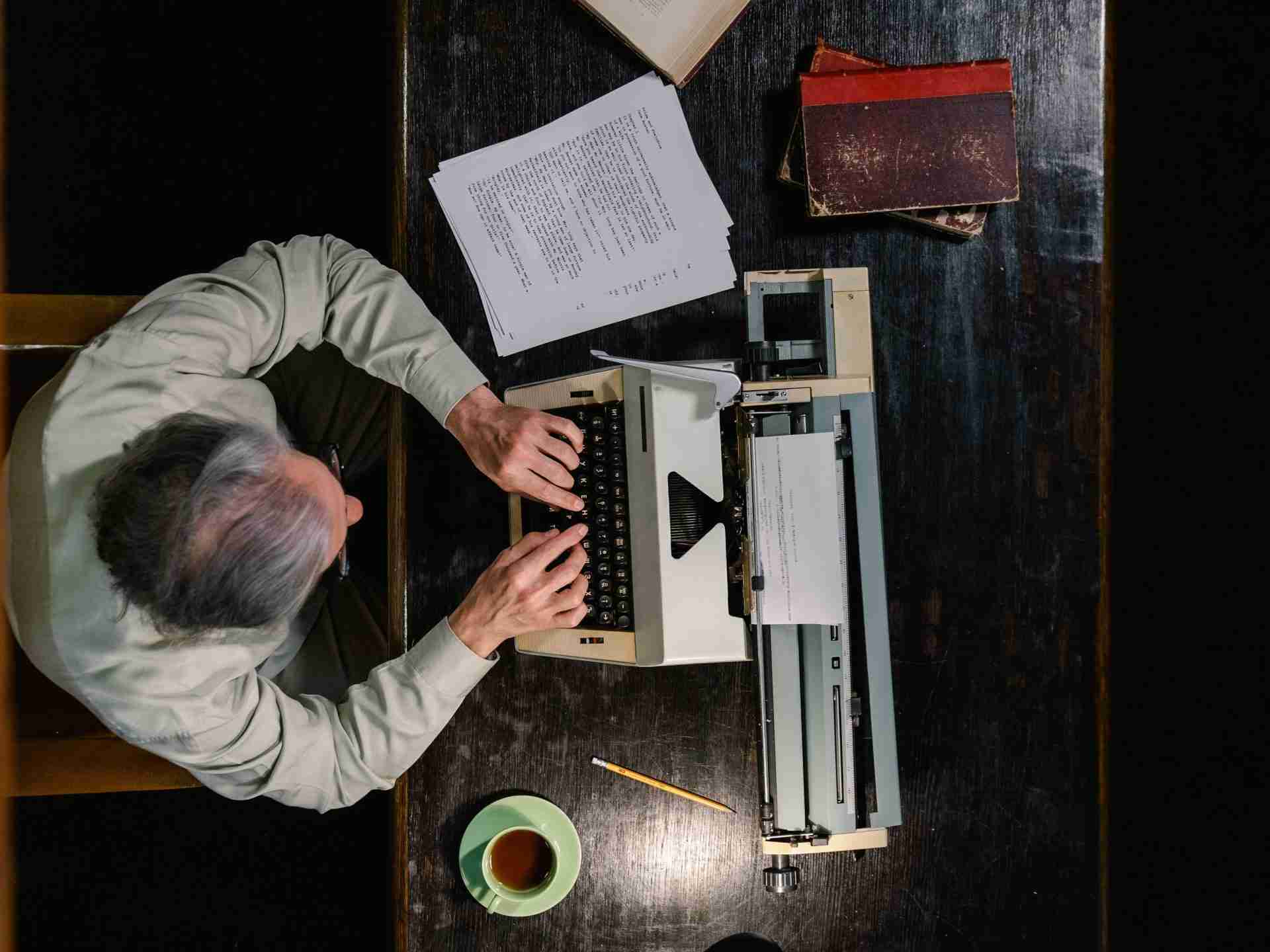
There is something naturally inviting about creating in a coffeehouse. A writer might open a notebook beside a warm cup of coffee, an artist might sketch the room around them, or someone with a new idea might simply sit down and begin writing before the thought disappears. The coffeehouse provides a setting where creative work can happen alongside the ordinary rhythm of everyday life.
For generations, artists and writers have been drawn to public spaces where they can work independently while still being surrounded by people, conversation, movement, and unexpected details. Today, coffeehouses for artists and writers continue to offer that same combination of independence and community.
Coffee itself does not magically create creativity, of course. What can make a coffeehouse valuable is everything surrounding the cup: the change of scenery, the atmosphere, the opportunity to observe, the possibility of conversation, and the simple ritual of setting aside time to create.
A Change of Scenery Can Refresh Your Creative Routine
Creative work can sometimes feel repetitive when you always do it in exactly the same place. Sitting at the same desk, looking at the same walls, and following the same routine can make it difficult to approach a project with fresh energy. A change of scenery can offer a simple way to break that pattern.
A coffeehouse provides a different visual and sensory environment. Instead of staring at the same workspace, you might notice changing light through a window, the movement of people, the sound of conversation, or the aroma of freshly prepared coffee. These details may not directly produce a creative idea, but they can give your mind something new to notice.
For artists and writers, that can be valuable. Sometimes creativity begins with simply seeing something differently.
The Coffeehouse Atmosphere Can Encourage Creative Work
The coffeehouse atmosphere is one of the reasons these spaces can feel so appealing to creative people. There is usually enough activity to make the environment feel alive, but you can still focus on your own work.
Some writers enjoy the quiet background sound of conversation while drafting. Artists may appreciate having changing subjects and visual details around them. Others simply like the feeling of working alongside people who are doing their own things.
There is no universal “perfect” creative environment. Some people need complete silence, while others find a completely quiet room uncomfortable or distracting. The important thing is to discover what works for your own creative process.
A coffeehouse can be one option among many—a place to experiment with a different kind of creative atmosphere.
Coffeehouses Provide Plenty of Inspiration to Observe
One of the greatest advantages of working in a public space is that everyday life is happening all around you. For creative people, ordinary moments can become interesting observations.
A writer might notice the rhythm of a conversation, the way someone describes their day, or a small interaction between friends. An artist might notice the way afternoon light falls across a table, the colors in a person’s clothing, or the shapes created by chairs and windows.
Observation does not mean invading someone’s privacy or listening closely to conversations that are not yours to hear. Creative inspiration should always come with respect for the people around you. Instead of copying someone’s private story, focus on general details, atmosphere, body language, surroundings, or your own impressions.
Sometimes the smallest observation can lead to a question, and a question can become the beginning of a creative project.
Writing in a Coffeehouse: From Blank Page to First Draft
For writers, a coffeehouse can become a particularly enjoyable place to work. Writing in a coffeehouse can turn a routine coffee visit into dedicated creative time.
You do not need to arrive with a fully developed story or perfectly organized idea. You can begin with something as simple as freewriting. Write continuously for several minutes without worrying about grammar, structure, or whether the idea is good enough. The purpose is simply to get thoughts onto the page.
A coffeehouse writing session can also be used for journaling, poetry, short stories, character development, essay planning, editing, or brainstorming. If you are working on a longer project, you might dedicate each visit to a specific stage of the process.
The most important thing is to give yourself permission to create without expecting every session to produce something finished. A rough paragraph can become a polished page later.
Coffeehouses as Creative Workspaces for Artists
Artists can use coffeehouses in equally interesting ways. You do not necessarily need a large canvas or elaborate collection of supplies. A notebook or sketchbook can be enough to start.
Try making quick sketches of objects around you, practicing simple shapes, experimenting with light and shadow, or creating small studies of the environment. You might develop a color palette inspired by the room, write down visual observations, or sketch ideas that you can turn into larger projects later.
A coffeehouse can be especially useful for practicing observation because the environment changes constantly. People move, light shifts, and objects that seemed ordinary at first can become interesting when viewed from a different angle.
The goal does not have to be creating a finished masterpiece. Sometimes the best creative exercise is simply paying attention.
Conversation Can Spark New Ideas
Creativity does not always happen in isolation. Sometimes an idea develops through conversation.
Talking with a friend, another creative person, or even someone who has a completely different perspective can introduce you to new ways of thinking. A casual conversation about books, art, travel, work, food, or everyday experiences can lead to questions that stay with you long after the coffee is finished.
This is one reason coffee and creativity can fit naturally together. Coffeehouses create opportunities for people to gather and exchange ideas without requiring a formal meeting.
Of course, not every visit needs to be social. You can enjoy the creative energy of a shared environment without talking to anyone. The important thing is having the freedom to choose the kind of experience you want.
Creative Routines Make Inspiration Easier to Capture
Many people think creativity depends entirely on inspiration appearing at the right moment. In reality, creative work often becomes easier when you make regular time for it.
A recurring coffeehouse visit can become part of that routine. Choose a day or time when you can regularly dedicate an hour or so to your creative work. Bring the same notebook, sketchbook, or project if that helps establish a sense of continuity.
You might begin each visit by ordering your favorite drink, spending a few minutes observing your surroundings, and then setting one small creative goal. Maybe you will write 500 words, complete a page of sketches, brainstorm five ideas, or simply fill a page with observations.
The goal is consistency rather than perfection. A creative routine gives ideas somewhere to go.
The Benefits of Creating Around Other People
Working creatively alone can sometimes feel isolating. A coffeehouse offers a different experience: you can work independently while still being surrounded by other people.
That combination can be particularly appealing to writers and artists. You do not have to participate in every conversation or constantly interact with those around you. You can simply enjoy the awareness that other people are nearby, each working on their own activities.
This is part of what makes a creative coffeehouse interesting. It can function as a shared workspace without requiring everyone to work on the same thing.
One person might be writing a novel. Another might be reviewing class notes. Someone else might be sketching. Another person might simply be enjoying a quiet coffee. Different activities can exist side by side.
How to Make the Most of a Coffeehouse Creative Session
If you want to turn your next coffeehouse visit into creative time, a little preparation can help.
Start by bringing the materials you actually need. Writers might bring a notebook or laptop, while artists may prefer a sketchbook and a small selection of drawing tools. Keeping your supplies manageable makes it easier to get started.
Set a realistic goal before you arrive. Instead of deciding that you will “be creative,” choose something specific, such as writing a page, sketching five objects, brainstorming ideas, or revising a paragraph.
Minimize distractions when necessary. Put your phone away or use focus mode if notifications are interfering with your work. Headphones can also help if they are appropriate for the environment and your creative process.
Most importantly, remain flexible. A coffeehouse visit does not have to result in a finished project. You might discover a new idea, solve a problem you were stuck on, or simply collect observations that become useful later.
And remember that you are sharing the space. Keep your belongings organized, be mindful of noise, respect other customers, and follow the coffeehouse’s current policies.
Finding Creative Inspiration at Abide Coffeehouse
For coffee lovers who enjoy combining their coffee ritual with creative time, Abide Coffeehouse can be part of that routine. A visit can become an opportunity to bring along a journal, sketchbook, book, or creative project and spend some intentional time exploring ideas.
You do not need to be a professional artist or published writer to benefit from creative time. Creativity can be as simple as writing down an observation, sketching something interesting, brainstorming a future project, or keeping a journal.
The best part is that you can create your own version of the experience. One person might come to Abide to write quietly, while another might use the time to sketch, read, or simply think.
Creativity Can Start With Small Ideas
Big creative projects rarely begin as fully formed masterpieces. More often, they start with something small.
A sentence written in a notebook can become a story. A quick sketch can become a painting. An interesting color combination can inspire a larger design. A question that comes to mind while drinking coffee can become the foundation for an essay.
This is why keeping a notebook or notes app nearby can be useful. When an idea appears, capture it before it disappears. You do not need to decide immediately whether the idea is good.
Let yourself collect possibilities.
Later, you can return to those notes and see which ones still interest you. Creativity often develops through this process of collecting, revisiting, experimenting, and refining.
Let the Coffeehouse Become Part of Your Creative Routine
Coffeehouses for artists and writers are valuable not because they guarantee inspiration, but because they can provide an environment where creative habits have room to develop.
A change of scenery can refresh a routine. The coffeehouse atmosphere can provide background energy. Observation can introduce new details. Conversation can offer different perspectives. A familiar routine can make it easier to dedicate time to creative work.
And perhaps most importantly, a coffeehouse allows creativity to exist alongside ordinary life.
You do not have to wait for the perfect studio, the perfect desk, or the perfect moment. Sometimes you can simply bring a notebook, order a coffee, sit down, and begin.
The next time you visit Abide Coffeehouse, consider bringing something creative with you. Write a page. Sketch what you see. Brainstorm an idea. Read something inspiring. Or simply sit with your coffee and pay attention to the world around you.
You never know where the next small idea might lead.
Don’t forget to visit our tea shop at Teasperience.
