
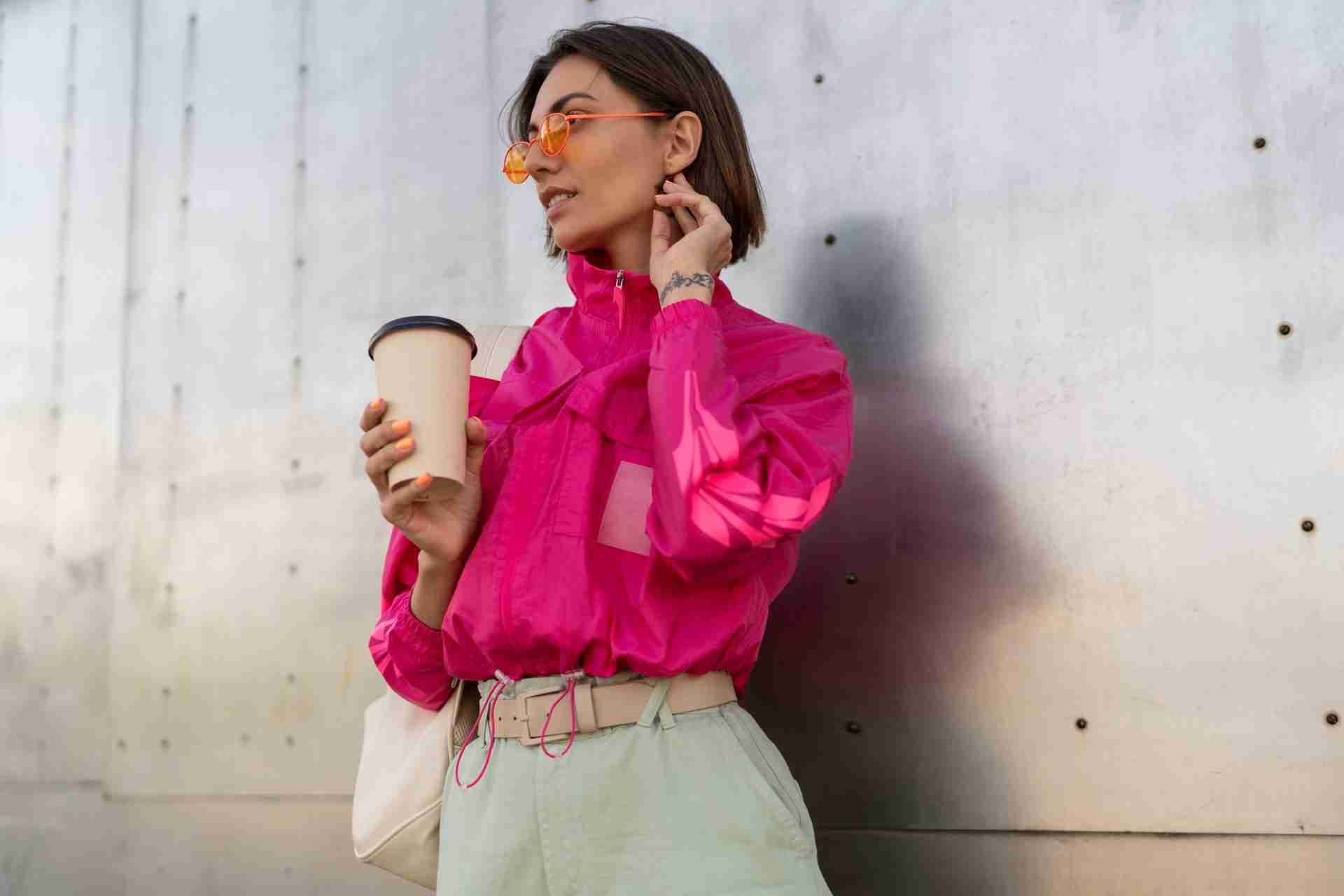
Coffee has a way of becoming part of everyday life. For some people, it is the drink that starts the morning. For others, it is something to enjoy while reading, meeting a friend, working on a project, or taking a quiet break. Over time, these routines have helped create something much bigger than a beverage: coffee culture. And coffee culture does not exist only in the cup. It can influence the spaces we enjoy, the activities we associate with coffee, the photographs we take, and even the way we express ourselves through fashion and personal style.
Walk into a coffeehouse and you may notice more than the aroma of freshly brewed coffee. You might see different styles of clothing, books on tables, notebooks beside laptops, carefully chosen accessories, and people expressing themselves in completely different ways. This combination of comfort, creativity, community, and personal expression helps explain the connection between coffee culture and fashion. There is no single coffeehouse look, but the culture surrounding coffee can provide plenty of inspiration for creating an aesthetic that feels personal.
What Do We Mean by Coffee Culture?
Before exploring its influence on fashion, it helps to understand what coffee culture actually means. Coffee culture includes the traditions, habits, social experiences, and communities that develop around coffee. It can involve everything from brewing methods and coffee tasting to conversations with friends, visits to local coffeehouses, and the rituals people build around their favorite cup.
Coffee culture also changes from place to place. A neighborhood coffeehouse may have a different atmosphere from a café in another city or country, and different coffee traditions can reflect local history and preferences. That variety is part of what makes coffee culture so interesting. It is not a strict set of rules. Instead, it is a collection of experiences that people continually shape and reinterpret.
Because coffee is connected to so many everyday activities, it naturally overlaps with other parts of lifestyle and culture. Fashion is one of them.
The Rise of the Coffeehouse Aesthetic
The coffeehouse aesthetic is a good example of how an environment can influence the way people think about style. While there is no official definition, the phrase often brings to mind warm colors, natural materials, books, notebooks, ceramics, comfortable seating, and an atmosphere that encourages people to stay for a while.
These visual elements can extend beyond the physical coffeehouse. They may appear in clothing choices, home décor, photography, graphic design, and social media imagery. Earthy shades, soft textures, vintage-inspired details, and cozy layers can all contribute to a visual style associated with the relaxed experience many people connect with coffeehouses.
However, an aesthetic does not have to become a formula. The most interesting coffeehouse environments often contain a mixture of personalities and styles. The same is true for the people who enjoy them. Coffee culture can provide inspiration without requiring everyone to look or dress the same way.
How Coffee Culture Influences Fashion
Fashion is often influenced by the environments in which people spend their time. Since coffeehouses can serve as places for reading, conversation, studying, working, and creativity, clothing associated with these activities often emphasizes comfort while leaving room for personal expression.
You might see sweaters, denim, layered outfits, comfortable shoes, simple accessories, or vintage-inspired pieces. Neutral and earthy tones can complement the visual language frequently associated with coffee, but brighter colors and completely different styles can work just as naturally. There is no required wardrobe for enjoying coffee.
The connection between coffee culture and fashion is really about lifestyle. Someone who enjoys spending a slow morning reading with a cup of coffee may develop a different personal style from someone who regularly visits a coffeehouse to meet friends or work on creative projects. Their clothing becomes part of the way they experience and express that routine.
In this sense, coffeehouse fashion is less about a particular trend and more about the relationship between clothing, comfort, activity, and identity.
Coffee-Inspired Colors and Textures
Coffee itself offers an endless source of visual inspiration. Think about the different shades found in a cup or around a coffeehouse: deep espresso brown, creamy beige, warm caramel, soft tan, and rich chocolate. These colors can easily translate into clothing, accessories, interiors, photography, and other forms of visual design.
Textures can be just as influential. Coffee culture is often visually associated with materials such as wood, ceramic, leather, wool, cotton, and paper. A ceramic mug beside a handwritten notebook creates a completely different visual impression from a sleek glass and a modern laptop, even though both might be part of someone’s coffee ritual.
This sensory combination is one reason coffee culture aesthetic can feel so inviting. Coffee is experienced through aroma, taste, appearance, warmth, and texture, and those sensory details can inspire the way people think about their surroundings and personal style.
From Coffeehouse to Social Media
Coffee culture has also become increasingly visual. A cup of coffee can become the subject of a photograph, while a coffeehouse table can become the setting for an outfit, a book, a notebook, or a creative project. People often use these everyday details to tell stories about their routines and interests.
This has helped connect the coffee shop aesthetic with visual storytelling. A photograph of coffee beside a favorite book communicates something about the person’s interests. An outfit photographed in a coffeehouse may reflect someone’s personal style. A carefully arranged workspace can communicate a preference for creativity, organization, or simplicity.
The important thing is that these images do not necessarily define coffee culture. They represent individual interpretations of it. Social media can amplify certain visual ideas, but coffee culture itself remains much broader than any particular photograph or trend.
Coffee, Creativity, and Personal Expression
Coffeehouses have long been associated with creative activities because they can bring people, conversation, and a change of scenery together. Someone may write in a journal, sketch in a notebook, read a novel, work on a photography project, or simply observe the world around them.
Fashion can play a similar role. What we wear can communicate interests, moods, personality, and creativity without requiring us to say anything. This makes fashion and coffee culture natural companions. Both can become forms of personal expression.
That does not mean coffee magically makes someone more creative or that a certain outfit will produce better ideas. Instead, the coffeehouse environment can become part of a person’s creative routine. When a familiar drink, comfortable space, and favorite activities come together, they can create an experience that feels inspiring and personal.
The Connection Between Lifestyle and Aesthetic
An aesthetic often develops from everyday habits rather than from consciously following a trend. The things we repeatedly do can influence the objects we choose, the spaces we enjoy, and the clothing that feels right for our lives.
Consider someone who enjoys slow mornings with coffee and a book. Their aesthetic might naturally include comfortable clothing, warm colors, notebooks, books, and quiet spaces. Someone who loves exploring specialty coffee might be drawn to craftsmanship, brewing equipment, origin stories, and minimalist design. Another person might associate coffee with meeting friends and choose a more social, energetic style.
These are not rules, but examples of how coffee and lifestyle can overlap. Personal aesthetics become more meaningful when they grow from genuine interests rather than simply copying what is popular.
How Coffeehouses Become Part of Fashion Culture
Coffeehouses can become informal meeting points for different forms of culture. People bring their clothing, interests, hobbies, creative projects, and personalities into the same space. As a result, the coffeehouse itself can become a place where people discover inspiration simply by observing the variety around them.
This relationship works in both directions. Coffee culture can influence the people who participate in it, but those people also contribute to the character of the coffeehouse. A room filled with readers, artists, students, professionals, friends, and coffee lovers will naturally have a different energy from a space occupied by just one type of person.
That diversity is part of the appeal. Coffeehouse style does not have to mean looking alike. It can mean having the freedom to bring your own style into a shared environment.
Creating Your Own Coffee-Inspired Aesthetic
If you enjoy the connection between coffee and fashion, you do not need to completely change your wardrobe or surroundings to create a coffee-inspired aesthetic. Start with the things you already enjoy. Perhaps you are drawn to warm neutrals, natural textures, comfortable layers, vintage pieces, or simple accessories. Use those preferences as inspiration rather than trying to follow a checklist.
You can also let your coffee rituals influence your surroundings. A favorite mug, a well-loved book, a notebook, or a comfortable sweater may become meaningful parts of your routine without being purchased specifically to fit an aesthetic.
Most importantly, allow your style to remain your own. Coffee culture can inspire you, but it does not need to dictate what you wear, how you decorate your space, or what your social media feed looks like. The best aesthetic is usually one that reflects the person living it.
Coffee Culture at Abide Coffeehouse
At Abide Coffeehouse, coffee can be part of a larger experience involving community, conversation, creativity, and everyday routines. A coffeehouse naturally brings together many different people and personal styles, making it an interesting place to notice how coffee culture intersects with the way people live and express themselves.
Whether you visit for a favorite drink, a conversation, a quiet moment, or simply a change of scenery, your coffeehouse experience can become part of your own personal routine. And over time, those routines can influence the little details that make your lifestyle feel distinctly yours.
Why Coffee and Fashion Naturally Go Together
At first, coffee and fashion might seem like completely separate subjects. One is something you drink, while the other is something you wear. But both are closely connected to personal taste, creativity, craftsmanship, culture, and self-expression.
Coffee lovers often develop preferences about beans, brewing methods, flavors, and rituals. Fashion lovers develop preferences about colors, materials, silhouettes, and accessories. In both cases, people make choices based on what appeals to them.
That is why the relationship between coffee and fashion is so interesting. Neither requires everyone to have the same preferences. Instead, both give people opportunities to explore what they enjoy and incorporate those choices into everyday life.
Your Coffee, Your Style
The influence of coffee culture on fashion and aesthetic is ultimately less about following a specific trend and more about the experiences surrounding coffee. Coffeehouses can inspire colors, textures, clothing choices, photography, creative habits, and ways of spending time.
Your favorite coffee, your favorite outfit, and your favorite coffeehouse do not have to fit a particular definition. They simply need to feel like you.
So the next time you sit down with a cup of coffee, take a moment to notice the details around you. Maybe it is the color of your drink, the texture of your sweater, the book beside your cup, or the atmosphere of the room. You may discover that coffee culture has already influenced your aesthetic in ways you never noticed.
Don’t forget to visit our coffee and products shop at Abide Grounds.
