
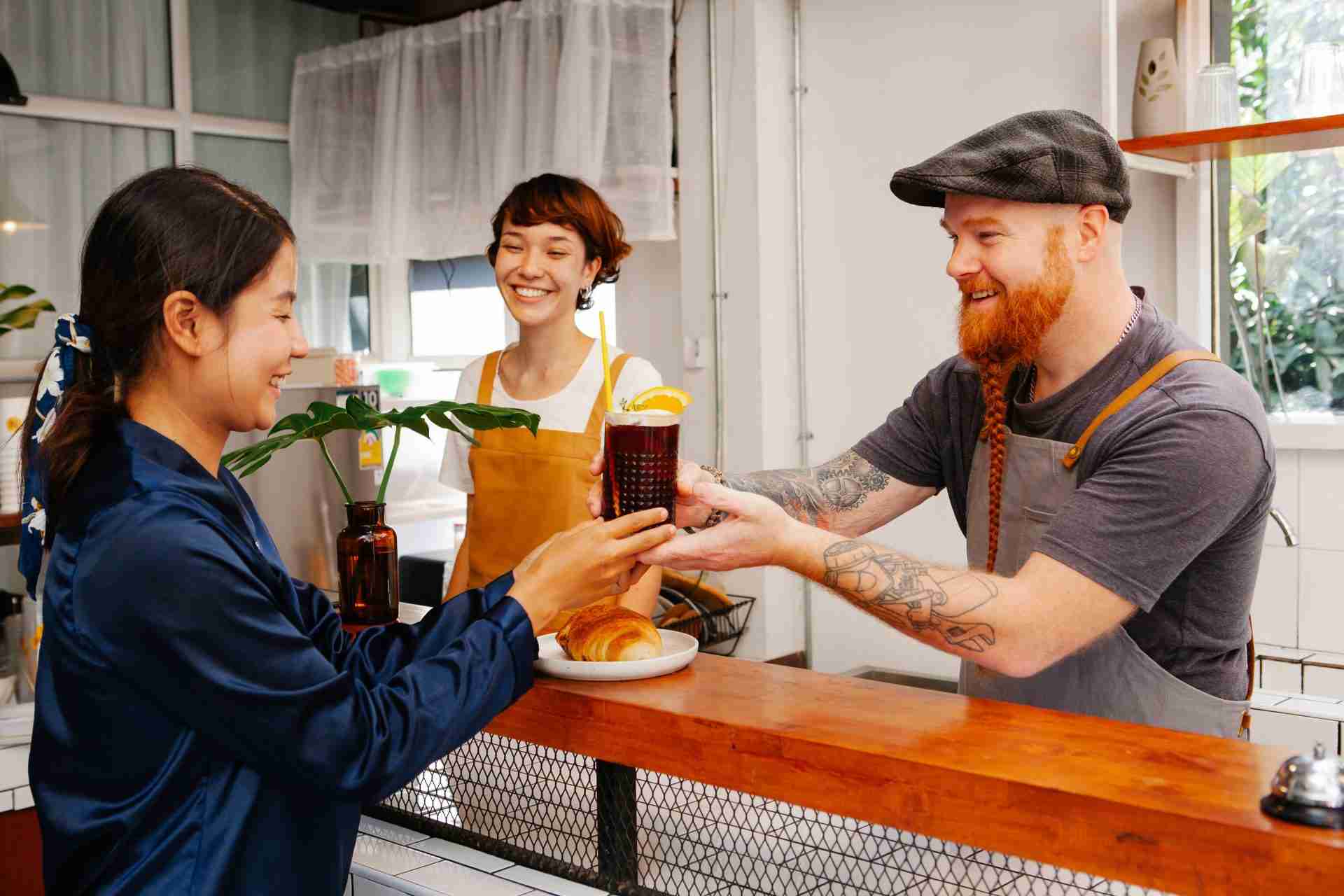
A great coffeehouse experience is about more than what is in your cup. It is also about the people, conversations, atmosphere, and small interactions that happen around it. From the barista preparing your morning latte to the person sharing a nearby table while reading a book, everyone contributes to the feeling of a coffeehouse. As customers, we have an opportunity to make that environment enjoyable for the people around us, too.
Being a thoughtful coffeehouse guest does not mean following a complicated set of rules. In fact, good coffeehouse etiquette often comes down to a few simple habits: treating employees with respect, being patient, sharing space thoughtfully, and cleaning up after yourself. These small actions can make a meaningful difference, especially during a busy morning or crowded afternoon. At Abide Coffeehouse, where coffee and community come together, being considerate helps create the kind of welcoming environment everyone can enjoy.
Start With a Friendly Greeting
One of the easiest ways to make a coffeehouse interaction more pleasant is also one of the simplest: say hello. A friendly greeting acknowledges the person serving you and starts the interaction on a positive note. Baristas spend much of their day moving quickly between orders, preparation, cleaning, and customer questions, so a little kindness can go a long way.
If you are a regular, you may eventually get to know the people behind the counter and develop familiar routines. You might learn a barista’s name, discover a new favorite drink through a recommendation, or simply exchange a quick greeting when you walk through the door. These small moments are part of what makes a local coffeehouse feel personal rather than purely transactional.
Know What You Want—or Be Open to Asking Questions
You do not need to be a coffee expert to order confidently. If you know what you want, having your order ready can help keep things moving, particularly when there is a line. But if you are unsure about a drink, ingredients, flavors, or preparation methods, it is completely reasonable to ask questions.
In fact, asking questions can be one of the most enjoyable parts of exploring coffee. A barista may be able to explain the difference between drinks, suggest something based on your preferences, or help you discover an option you would not have chosen on your own. Good coffee shop etiquette is not about rushing customers through their decisions. It is about balancing curiosity with awareness of the people waiting behind you and the pace of the coffeehouse.
Be Patient During Busy Times
Coffeehouses can become especially busy during morning rushes, weekends, holidays, and other peak periods. When several orders arrive at once, employees are often managing multiple tasks simultaneously. While waiting for your drink can sometimes feel longer than expected, remember that preparing quality coffee takes time, particularly when the team is serving many customers at once.
Patience is one of the most valuable coffee shop manners you can practice. If your order is taking longer than expected, a polite question is perfectly appropriate, but repeatedly checking on it may add unnecessary pressure to an already busy team. Giving employees the time they need to prepare your order carefully helps create a more comfortable experience for everyone.
And if you notice that the coffeehouse is unusually busy, a little extra patience can make a significant difference. The people behind the counter are working to keep things moving, and a calm customer can help make a hectic moment easier.
Treat Baristas and Staff With Respect
At the heart of good coffeehouse etiquette is respect. Baristas and other employees are people doing their jobs, and they deserve to be treated with the same courtesy you would want in any workplace. A friendly tone, a simple thank-you, and patience when something unexpected happens can create a much better interaction.
Mistakes happen in every business. Perhaps your drink was prepared differently than you expected, an ingredient was missed, or your order needs to be corrected. When that happens, explain the problem calmly and give the employee an opportunity to help. You can communicate that something isn’t right without turning the situation into a confrontation.
Respecting baristas is more than simply being polite. It helps create a workplace where employees can do their jobs without unnecessary stress and contributes to the welcoming atmosphere customers want from a coffeehouse.
Be Mindful of Your Space
A coffeehouse is a shared space, which means being aware of how much room you are using matters. Bags, coats, laptops, chargers, notebooks, and other belongings can quickly take over a table, particularly when seating is limited. Keeping your personal items organized and close to you allows other customers to use the space comfortably.
Noise is another part of sharing the room. Conversations are a natural part of coffeehouse culture, but loud phone calls, meetings, or videos can affect the experience of people nearby. If you need to take an extended call, consider whether there is a quieter option that would work better for everyone.
These considerations are especially important if you enjoy working remotely from a coffeehouse. There is nothing wrong with opening your laptop and settling in, but remaining aware of how busy the space is can help you make thoughtful choices about seating and noise.
Know When to Make Room for Others
One of the best things about coffeehouses is that people use them in many different ways. Someone might be there for a five-minute coffee pickup, while another person may spend an hour reading, studying, or working. Both experiences are perfectly valid, but being aware of the environment can help everyone share the space.
If the coffeehouse is quiet and there are plenty of empty tables, there is usually no need to worry about how long you stay. However, if every seat is occupied and people are looking for somewhere to sit, it may be worth considering whether you can make some adjustments.
For example, a person working alone may not need a large table designed for a group. Similarly, spreading belongings across multiple seats can unintentionally prevent others from finding somewhere to sit. Good coffeehouse manners are ultimately about awareness rather than strict time limits.
Keep Your Table and Space Clean
Cleaning up after yourself is a simple way to show consideration for both other customers and the coffeehouse team. If you finish your drink and snack, dispose of your trash properly and follow the coffeehouse’s system for returning dishes or other items.
Of course, accidents happen. If you spill a drink or create a larger mess, let an employee know rather than quietly leaving it behind. A quick heads-up gives the team an opportunity to address the problem before someone else encounters it.
Keeping your space reasonably tidy may seem like a small thing, but it can make the coffeehouse more comfortable for the next person and allow employees to spend more time focusing on service rather than cleaning up avoidable messes.
Follow the Coffeehouse’s Policies
Every coffeehouse has its own policies and practical considerations. These may relate to seating, outside food and drinks, laptop use, Wi-Fi, pets, events, or closing procedures. Policies can vary from one business to another, so it is best not to assume that what is allowed in one coffee shop automatically applies everywhere else.
If you are unsure about something, simply ask. A polite question is almost always better than making an assumption and becoming frustrated later.
Following reasonable house policies is an important part of café etiquette because those guidelines are generally there to help the business serve its customers and manage the space. At Abide Coffeehouse, as with any local business, taking a moment to understand the environment can help you enjoy your visit while respecting the needs of the people around you.
Support the Coffeehouse Beyond Your Coffee Order
Being a great coffeehouse guest can also mean supporting the business in ways that extend beyond your individual visit. If you enjoy a local coffeehouse, consider recommending it to a friend who might appreciate it. A thoughtful online review can also help other people discover the business and understand what makes it special.
You can also support local coffeehouses by participating in community activities or events when they are available. Many neighborhood coffeehouses become gathering places where people discover local artists, meet friends, work, read, or connect with other businesses.
This is particularly meaningful because supporting local coffee shops contributes to the broader culture of a neighborhood. Every visit becomes part of a larger network of people and businesses that help give a community its personality.
Give Feedback the Right Way
Good feedback can help a coffeehouse improve, but how you communicate that feedback matters. If something goes wrong, explain what happened clearly and calmly. Give the staff an opportunity to understand the issue and, when possible, make it right.
It is also worth remembering that positive feedback is valuable. If a barista goes out of their way to help you, prepares something particularly well, or makes you feel welcome, tell them. A sincere compliment can be just as meaningful as constructive criticism.
Thoughtful reviews can also be useful to local businesses. Rather than focusing only on what went wrong, consider sharing what you appreciated about the experience as well. Balanced, respectful feedback helps create a culture where businesses and customers can communicate more effectively.
Remember That Coffeehouses Are Community Spaces
At their best, coffeehouses bring together people who might otherwise never cross paths. A student can sit near a retiree, a remote worker can share a table with a group of friends, and a regular can strike up a conversation with someone visiting for the first time. Everyone may have a different reason for being there, but they are temporarily sharing the same space.
This is what makes coffeehouse community so interesting. A coffeehouse isn’t simply a place where transactions happen. It can also be a place where people pause, talk, work, celebrate, and enjoy a little time outside their usual routines.
Being a good guest means recognizing that you are part of that environment. Your behavior affects the people working behind the counter and the customers sitting around you. A little awareness can help ensure that the space remains welcoming to everyone.
Simple Coffeehouse Etiquette to Remember
You do not need to memorize a long list of rules before your next coffee run. Instead, think about a few simple questions:
- Did I treat the staff respectfully?
- Was I patient if the coffeehouse was busy?
- Did I keep my belongings from taking unnecessary space?
- Was my noise level appropriate?
- Did I clean up after myself?
- Did I follow the coffeehouse’s policies?
- Was I considerate of other customers?
If the answer is yes, you’re already doing a lot right.
The goal isn’t to be a perfect customer. Coffeehouse etiquette is really about awareness. Pay attention to the people around you, respect the employees serving you, and remember that everyone is there to enjoy the space in their own way.
Make Your Next Visit a Little More Thoughtful
Being a better coffeehouse guest doesn’t require a major change in your routine. It can be as simple as greeting your barista, waiting patiently during a busy morning, keeping your table tidy, or giving someone else room when the coffeehouse is crowded.
Those small choices contribute to the atmosphere that makes a local coffeehouse worth returning to. They also help create a culture of kindness and respect between employees and customers.
At Abide Coffeehouse, coffee is one part of the experience, but community is another. Every person who walks through the door becomes part of that environment, even if they are only there for a few minutes.
So the next time you stop in for your favorite drink, take a moment to look around and enjoy the experience—not just the coffee. Be kind, be patient, share the space, and remember that being a great coffeehouse guest helps make the coffeehouse a better place for everyone.
Don’t forget to visit our tea shop at Teasperience.
