
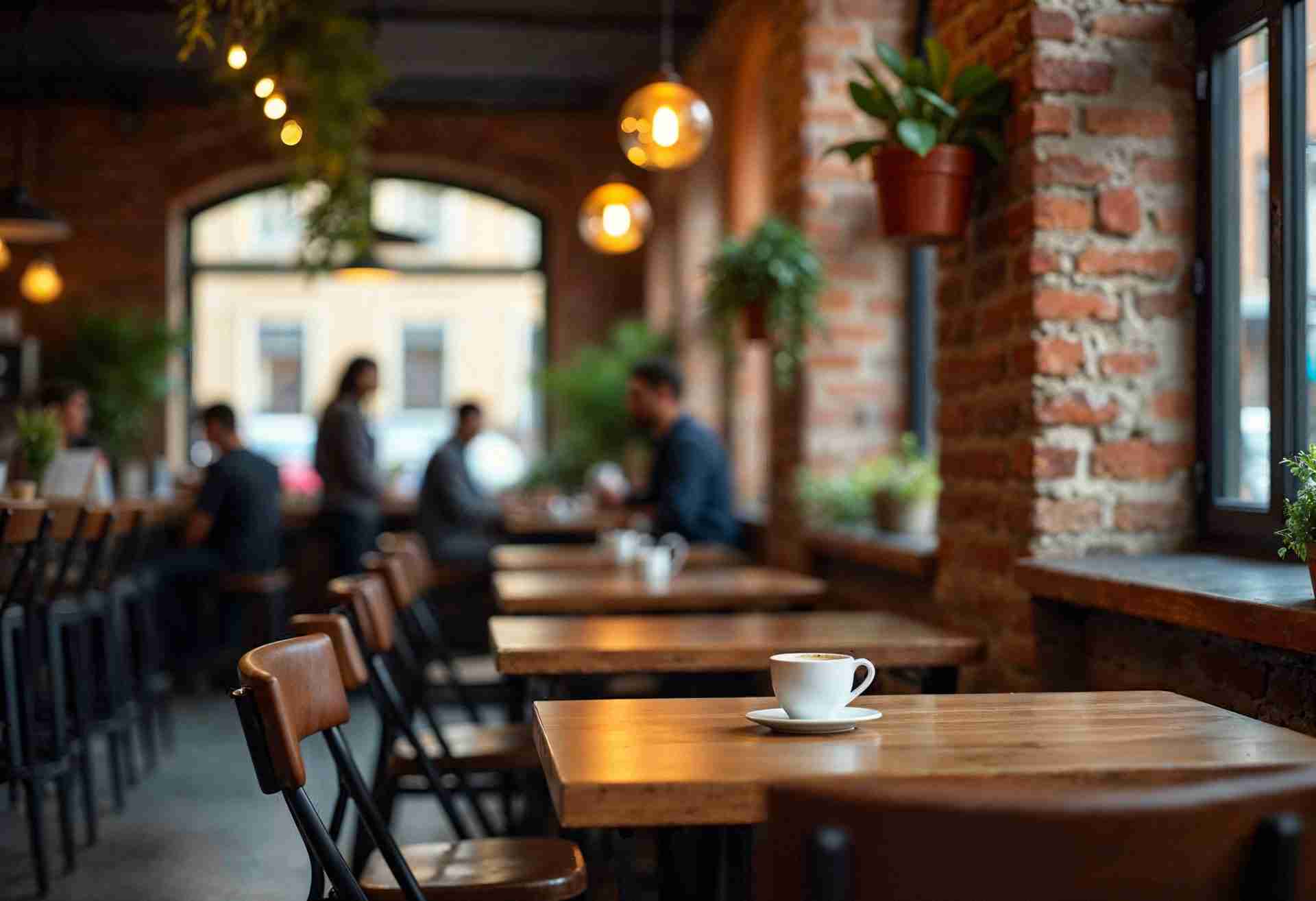
Have you ever walked into a coffeehouse and immediately felt like staying a little longer? Perhaps the warm lighting, comfortable seating, gentle background sounds, or inviting aroma of freshly prepared coffee made the space feel special. Some coffeehouses seem to encourage us to slow down, relax, and enjoy the moment, even when we originally planned to stop for only a few minutes. This experience is not always accidental. The way a space is designed can influence how people perceive their surroundings and how comfortable they feel spending time there.
The psychology of cozy coffeehouse design explores how elements such as lighting, color, furniture, textures, and sound contribute to the atmosphere of a coffeehouse. For coffee lovers, understanding these details can make every visit more meaningful. At Abide Coffeehouse, the broader appeal of coffee culture reminds us that enjoying coffee can be about more than the drink itself; the surrounding experience matters, too.
What Makes a Coffeehouse Feel Cozy?
Coziness is more than a particular decorating style. It is the feeling of comfort, warmth, and familiarity that can make a place inviting. In a coffeehouse, this feeling may come from a combination of thoughtful design choices, practical details, and the way people are welcomed into the space.
Comfortable chairs, appropriately sized tables, warm lighting, and natural materials can all contribute to an inviting environment. A well-organized layout can also help visitors feel at ease by making it easy to move around, find a seat, and enjoy their coffee without unnecessary distractions. Small details, such as a thoughtfully arranged table or an interesting piece of artwork, can give a space character and make it feel less impersonal.
However, there is no single formula for a cozy coffeehouse. Some people love lively spaces filled with conversation, while others prefer quiet corners where they can read or think. Effective coffeehouse design recognizes these differences and creates an atmosphere that feels comfortable for a variety of visitors.
The Psychology of Lighting and Color
Lighting plays an important role in how people perceive an interior. Bright lighting can make a coffeehouse feel energetic, open, and practical, while softer, warmer lighting may create a more intimate atmosphere. The right balance depends on the purpose of the space, the time of day, and the experience the coffeehouse wants to offer.
For example, a table near a window may appeal to someone who enjoys reading in natural daylight. A softly illuminated seating area might feel more suitable for an unhurried conversation with a friend. Combining different types of lighting can help a space serve multiple purposes without making it feel visually overwhelming.
Color also contributes to the overall impression. Earthy browns, muted greens, warm neutrals, and natural wood tones are often used in coffeehouse interiors because they complement materials commonly associated with warmth and nature. These colors may help create a cohesive, comfortable environment, although individual preferences and cultural associations vary.
The goal is not to choose a specific color simply because it is considered relaxing. Instead, successful coffeehouse interior design uses lighting and color together to create an atmosphere that feels intentional, balanced, and welcoming.
How Furniture and Layout Influence Comfort
Furniture affects more than the appearance of a coffeehouse. It also influences how visitors use the space and interact with one another. Comfortable chairs, stable tables, appropriate table heights, and enough room to move around can make a coffee break more enjoyable.
The arrangement of seating can shape the experience, too. Small tables may be ideal for two friends catching up, while communal tables can provide opportunities for groups to gather. Individual seating areas may appeal to people who want to read, write, or enjoy a moment alone. A thoughtful combination of these options allows different visitors to choose the experience that suits them.
Spacing is equally important. Tables placed too close together can make conversations feel less private, while a layout with clear pathways can make it easier for visitors and staff to move around. Accessibility should also be part of the design process, ensuring that people with different mobility needs can navigate and use the space comfortably.
When furniture and layout work together, a coffeehouse can feel both attractive and functional. Visitors can focus on their coffee and company instead of being distracted by an uncomfortable or inconvenient environment.
Textures and Natural Materials Create a Sense of Warmth
Imagine holding a ceramic mug while sitting beside a wooden table, surrounded by soft fabric, natural colors, or carefully chosen decorative details. These elements can make an interior feel more layered and inviting than a space dominated by hard, uniform surfaces.
Materials such as wood, stone, ceramics, and fabric add visual variety. Their different textures can give a coffeehouse a distinctive character and help make the environment feel more personal. Plants, handmade decorations, and artwork can also introduce natural elements and individual expression when incorporated thoughtfully.
These features do not need to be expensive or elaborate. Even a few well-chosen details can contribute to a cohesive design when they complement the furniture, lighting, and overall layout.
For coffee lovers, these surroundings can enhance the small rituals associated with enjoying a drink. Sitting down, wrapping your hands around a mug, noticing its texture, and taking time to appreciate its aroma can make an ordinary coffee break feel more intentional.
The Role of Sound, Scent, and the Coffee Ritual
A coffeehouse is a sensory environment. While visual design often receives the most attention, sounds and scents also contribute to the experience.
The aroma of freshly prepared coffee is one of the most recognizable features of many coffeehouses. For some people, it may bring to mind familiar routines, favorite places, or memories of conversations with friends. The sounds of coffee preparation, gentle music, and background conversation can also contribute to the atmosphere.
Balance matters, however. A lively soundscape may feel energizing to some visitors but distracting to others. Music that seems pleasant at a low volume can become overwhelming when it competes with conversations. Thoughtful sound management helps create an environment that supports the different reasons people visit.
The coffee ritual itself adds another sensory layer. Noticing the aroma, observing the color of the drink, feeling the warmth of the cup, and savoring the flavor encourages attention to the experience. These moments do not guarantee a particular emotional response, but they can help people appreciate coffee beyond simply drinking it quickly.
Why Cozy Coffeehouses Encourage People to Stay
A comfortable coffeehouse can make people more inclined to settle in rather than leave immediately after ordering. When seating feels inviting, the environment is pleasant, and the layout meets visitors’ needs, staying for another cup or continuing a conversation may feel natural.
People spend time in coffeehouses for many reasons. Some meet friends, others enjoy a book, and some bring a laptop to work on a project. Coffeehouses can also provide a change of environment for people who want to get out of the house or take a break from their usual routine.
Design can support these activities by providing suitable seating, manageable sound levels, and a layout that accommodates different needs. Still, comfort does not mean every visitor will want to stay for hours. Some prefer a quick takeaway coffee, while others enjoy a longer visit.
A well-designed coffeehouse recognizes that variety. Its atmosphere should support the experience people came for without sacrificing accessibility, personal space, or consideration for other customers.
Designing for Connection, Solitude, and Belonging
One of the most interesting aspects of coffeehouse design is its ability to accommodate both social interaction and time alone. A visitor might arrive to meet a friend, while someone at the next table may be enjoying a quiet moment with a book. Both experiences can coexist in the same space when the environment is thoughtfully arranged.
A mix of seating options, clear pathways, and considerate spacing can help visitors choose how they want to spend their time. Communal tables may encourage interaction, while smaller tables or individual seating can offer a greater sense of personal space.
Yet, a welcoming atmosphere depends on more than furniture and decoration. Hospitality, respectful behavior, and consideration for different preferences also shape how people experience a coffeehouse. A beautiful interior may catch someone’s attention, but feeling acknowledged and comfortable can make the visit more memorable.
Abide Coffeehouse is a natural part of the wider conversation about the coffeehouse experience, where the enjoyment of coffee can intersect with connection, community, and everyday moments of reflection.
How to Bring the Cozy Coffeehouse Feeling Home
You do not need to redesign an entire room to create a cozy coffee corner at home. A few intentional choices can help make your daily coffee ritual more enjoyable.
Start with a comfortable chair or a small table where you can sit without feeling cramped. If possible, use a lamp that provides pleasant, adjustable lighting. Add a favorite mug, a natural material such as wood, or a small plant to give the space some personality.
Think about your own preferences, too. You might enjoy soft background music while preparing coffee, or you may prefer a quiet environment. Keep the area organized so that making your drink feels simple rather than stressful.
Most importantly, focus on how the space works for you. The goal is not to copy a trendy coffeehouse interior perfectly. It is to create a small, inviting setting where you can pause, appreciate your drink, and enjoy a moment in your day.
More Than a Beautiful Interior
The psychology of cozy coffeehouse design shows how lighting, colors, furniture, textures, sound, and scent can work together to shape the way people experience a space. These elements can influence comfort and perception, but their impact depends on personal preferences and the overall environment.
For coffee lovers, paying attention to these details can add another layer of appreciation to every visit. A coffeehouse is not simply a place to purchase a drink; it can also be a setting for conversation, creativity, reflection, and connection.
As you enjoy your next cup at home or visit a coffeehouse such as Abide Coffeehouse, notice the small details around you. You may discover that what makes a coffee experience memorable is not just what is in your cup, but how the entire moment comes together.
Don’t forget to visit our tea shop at Teasperience.
