
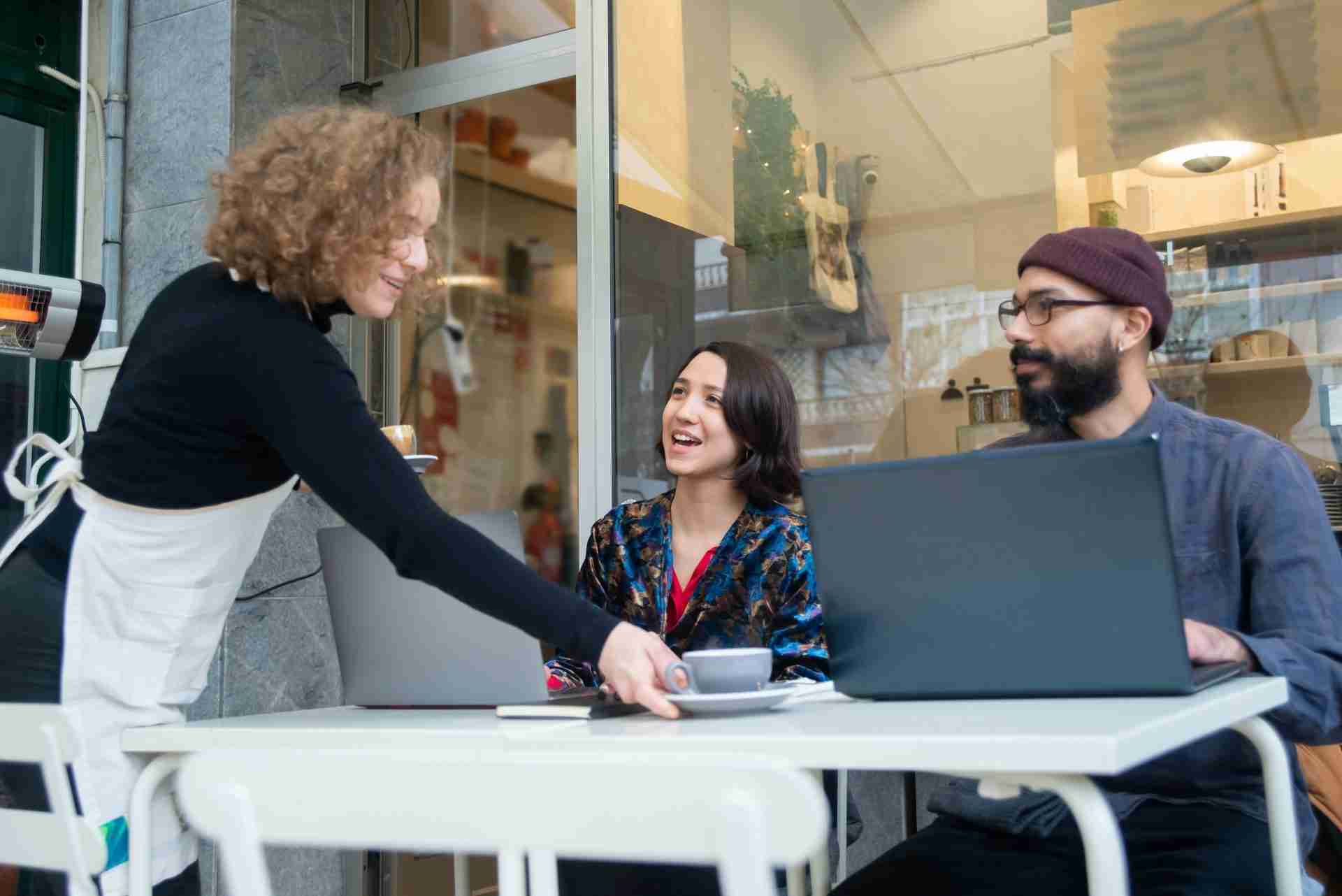
Remote work has changed the way many people think about their workday. Instead of spending every weekday in a traditional office, remote workers may now move between home offices, coworking spaces, libraries, and coffeehouses depending on what they need from their environment. For many people, a coffeehouse offers something that a home workspace cannot always provide: a change of scenery, the gentle activity of other people nearby, and the simple ritual of enjoying coffee while getting things done.
The relationship between coffeehouses and remote work is about more than opening a laptop at a café table. Coffeehouses have long served as places where people gather, talk, read, create, and exchange ideas. As remote work has become more common, these spaces have naturally taken on another role. They can become temporary workspaces, meeting points, places to take a break, or simply somewhere to separate professional responsibilities from the routines of home.
How Remote Work Changed the Modern Workday
The growth of remote work has created more flexibility in where and how people complete their responsibilities. Working from home can be convenient, but it is not always the right environment for every person or every task. Household responsibilities, distractions, limited space, or simply the desire for a different atmosphere can make an alternative workspace appealing.
This is one reason working remotely from a coffeehouse has become part of modern work culture. Rather than viewing work as something that must happen in one specific location, remote workers can think more intentionally about the environment they need. A quiet morning at home might be ideal for focused work, while an afternoon coffeehouse visit might provide a welcome change of scenery.
This flexibility can also help create a clearer transition between different parts of the day. Leaving the house with a laptop and heading to a coffeehouse can feel like a small commute, giving the beginning of a work session a sense of purpose and structure.
Why Coffeehouses Appeal to Remote Workers
One of the biggest attractions of a coffeehouse work environment is the atmosphere. Working around other people can create a feeling of activity without necessarily requiring social interaction. The sound of conversations, movement around the room, music, and the occasional preparation of a coffee can provide a different background from the silence of a home office.
For some people, this ambient activity can make a workspace feel less isolated. A coffeehouse also provides an opportunity to step away from the same desk or room used every day. That change of scenery can make a routine feel fresher and encourage people to approach familiar tasks from a slightly different perspective.
Of course, coffee itself does not automatically make someone more productive. Productivity depends on many factors, including the type of work, personal habits, distractions, energy levels, and the ability to establish clear goals. Coffee can be part of a work ritual, but the environment and the habits surrounding that ritual matter just as much.
Coffeehouses as Modern Third Spaces
The idea of a third space refers broadly to a place outside the home and workplace where people can spend time, interact, and participate in community life. Coffeehouses have often served this purpose because they can accommodate many different kinds of experiences.
Today, remote work adds another dimension to that role. Someone may visit a coffeehouse to answer emails, another person may be reading, someone else may be meeting a friend, and another guest may simply be enjoying a quiet cup of coffee. These activities can exist alongside one another when everyone is mindful of the shared environment.
For remote workers, being part of this environment can also provide a subtle sense of community. You do not have to talk to everyone around you to benefit from being around other people. Sometimes simply working in a shared space can make the day feel different from spending hours alone at home.
How Coffeehouse Atmosphere Shapes the Work Experience
The physical environment can influence how comfortable and practical a work session feels. Lighting, seating, background sound, movement, and the overall atmosphere can all affect the experience of working remotely from a coffee shop.
Not every coffeehouse environment will work equally well for every task. Someone writing or brainstorming may appreciate some background activity, while someone participating in a sensitive meeting may need more privacy. This is why choosing the right task for the environment is an important part of successful coffeehouse remote work.
Rather than expecting a coffeehouse to function exactly like a private office, remote workers can consider what the space naturally offers and adjust their work accordingly.
Coffee Shop Etiquette for Remote Workers
Working from a coffeehouse means sharing the space with customers, staff, and other members of the community. Good etiquette helps make the experience comfortable for everyone.
Start by respecting the coffeehouse’s policies and purchasing appropriately. If you plan to stay for an extended period, be aware that tables and seating are shared resources, especially during busy periods. Avoid spreading personal belongings across multiple seats or occupying more space than necessary.
Headphones can be useful when listening to something privately, while phone and video calls should be handled thoughtfully. A loud conversation can affect everyone nearby, so keeping your voice at a considerate level is important. If you need to participate in a lengthy or particularly private meeting, another workspace may be more appropriate.
It is also worth remembering that coffeehouse staff are working too. Being patient during busy periods, keeping your area reasonably organized, and treating staff respectfully are simple ways to contribute to a positive environment.
How to Stay Productive While Working From a Coffeehouse
A change of scenery can be helpful, but productivity still requires intention. Before arriving, identify what you actually want to accomplish. A clear goal such as finishing a report, answering emails, outlining a project, or completing a specific set of tasks gives your coffeehouse session direction.
Digital distractions are another consideration. Social media, notifications, and unrelated browsing can quickly turn a productive work session into an extended break. Turning off unnecessary notifications or using focused work periods can help maintain attention.
It is also helpful to build intentional breaks into your session. Instead of working continuously until you are exhausted, step away from the screen, enjoy your coffee, observe your surroundings, or simply give yourself a few minutes without a task in front of you.
And remember to protect confidential information. Public spaces are not private offices, so remote workers should be thoughtful about displaying sensitive documents, discussing confidential information aloud, or leaving devices unattended.
Coffee, Productivity, and Routine
For many people, the appeal of a coffeehouse is not simply productivity. It is the routine surrounding the work. Choosing a drink, settling into a workspace, opening a laptop, and beginning a familiar task can create a small ritual that signals, “It is time to focus.”
These routines can make remote work feel more structured. A coffeehouse visit might become part of a weekly schedule, a way to begin a particular type of project, or simply an occasional alternative to working from home.
At Abide Coffeehouse, coffee lovers can think of this kind of visit as more than simply finding somewhere to open a laptop. A coffeehouse can offer an opportunity to enjoy a cup of coffee, experience a different environment, and remain connected to the everyday rhythm of a community while completing your work.
Remote Work Can Still Be Social
Remote work offers flexibility, but flexibility can sometimes mean fewer casual interactions throughout the day. Coffeehouses can provide small opportunities for connection without requiring a person to turn every work session into a social event.
A brief conversation with a barista, a familiar face across the room, or simply being surrounded by people can make a workday feel less isolated. These moments do not have to interrupt productivity. In fact, respecting the quiet focus of others is part of being a considerate member of a shared space.
The goal is balance. A coffeehouse can be a place to work independently while still providing a sense that you are part of something larger than your own screen.
Finding the Right Balance Between Work and Community
The best approach to remote work in a coffeehouse is one that recognizes the space as both a potential workspace and a community environment. It is not a private office, and it is not exclusively a social venue. Different people may be using the same space for entirely different reasons.
Being aware of busy periods, respecting seating needs, following house policies, and remaining flexible can help remote workers coexist comfortably with other guests. Sometimes the right decision may even be to finish a task elsewhere if the coffeehouse becomes too busy or the work requires privacy.
This awareness makes coffeehouse remote work more sustainable. Instead of asking the space to accommodate every possible work situation, remote workers can choose the moments and tasks that genuinely fit the environment.
The Future of Coffeehouses and Remote Work
As remote work continues to shape modern work culture, coffeehouses are likely to remain part of the conversation about flexible workspaces. Their appeal comes from a combination of factors: coffee, atmosphere, routine, community, and the simple opportunity to work somewhere other than home.
The rise of remote work does not mean every coffeehouse should become an office. Instead, it highlights the versatility of these community spaces. They can support work, conversation, creativity, reading, meetings, reflection, and everyday connection—all within the same environment.
For remote workers, the key is to use these spaces thoughtfully. A coffeehouse can be a refreshing alternative to a home office when the work, environment, and etiquette are a good match.
Frequently Asked Questions
Why do remote workers like coffeehouses?
Remote workers may enjoy coffeehouses because they provide a change of scenery, ambient activity, access to coffee, and a sense of being around other people. They can also create a useful transition between home life and work.
Is it appropriate to work remotely from a coffeehouse?
It can be, provided the coffeehouse allows it and the worker follows its policies. Being considerate of seating, staff, other customers, noise levels, and busy periods is essential.
How can I stay productive while working from a coffeehouse?
Set a clear goal before you arrive, limit digital distractions, choose tasks that fit the environment, take intentional breaks, and keep your workspace organized.
Are coffeehouses good for remote meetings?
They can be suitable for casual or non-confidential meetings, but private or sensitive conversations may require a more appropriate workspace. Consider noise levels, privacy, and the needs of other guests before joining a call.
Can working from a coffeehouse help with feelings of isolation?
A coffeehouse can provide opportunities for casual interaction and the experience of being around other people, which some remote workers may find valuable. However, it should not be viewed as a substitute for meaningful relationships or professional support when needed.
Conclusion
The connection between coffeehouses and remote work reflects a larger change in how people think about workspaces. A productive workday does not always have to happen behind the same desk. Sometimes a change of scenery, a familiar coffee ritual, and the presence of a community can make remote work feel more balanced and engaging.
Whether you visit a coffeehouse to complete a project, answer emails, read between meetings, or simply break up a day at home, the experience can be about more than productivity. It can also be about creating routines, enjoying coffee, and finding small moments of connection in an increasingly flexible workday.
Don’t forget to visit our tea shop at Teasperience.
