
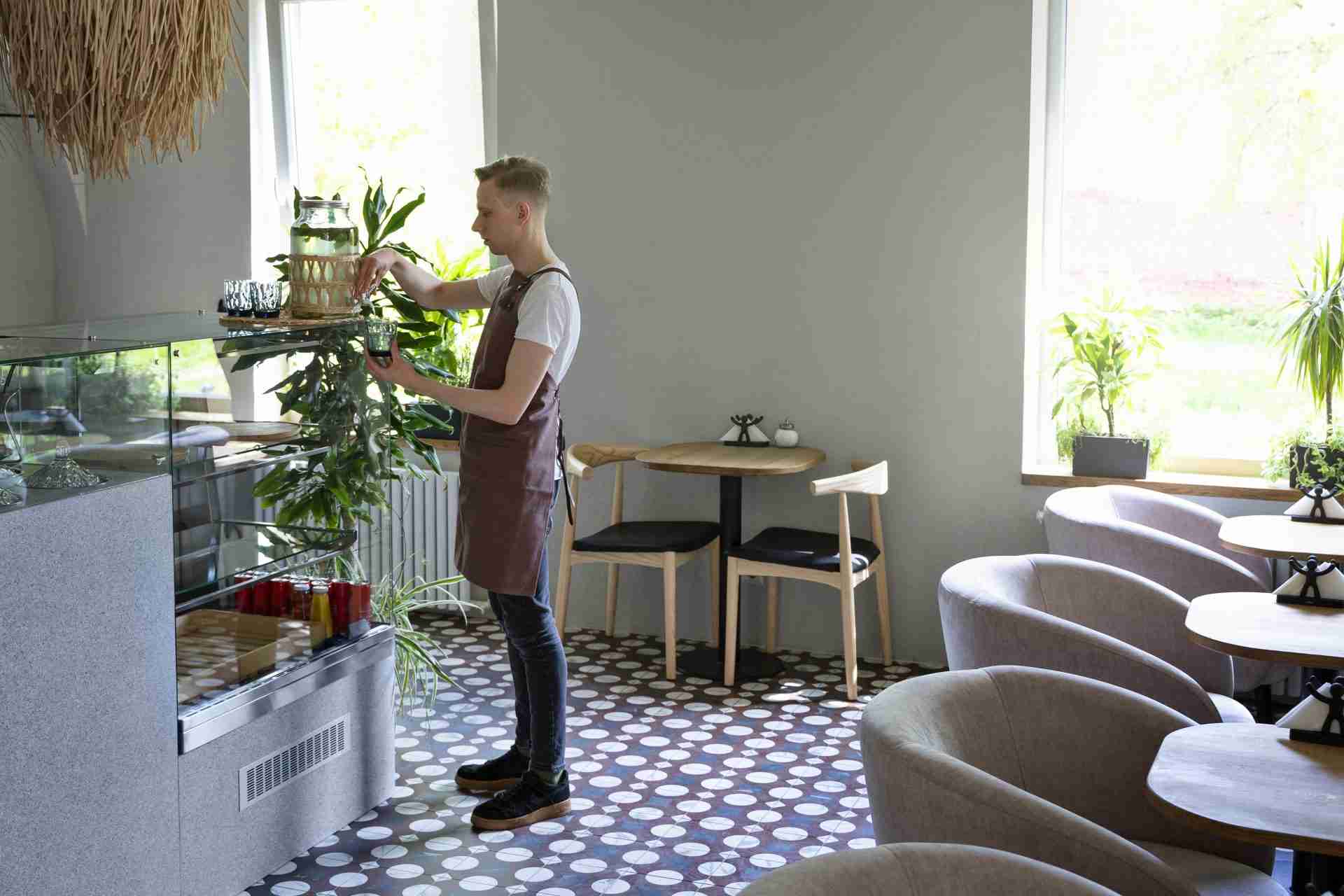
Where do you go when you want to be somewhere other than home or work? Maybe you meet a friend at a coffeehouse, spend an hour reading with a cup of coffee, catch up on conversation, or simply sit among other people while enjoying a little time to yourself. These ordinary experiences may seem simple, but they point to something larger: the importance of having places where people can gather outside their usual routines.
This is where the idea of a third space comes in.
A third space is a place outside of home and work where people can spend time, interact, build familiarity, and participate in community life. Coffeehouses are one of the most recognizable examples because they naturally bring together many different kinds of people and activities. Someone might visit for a conversation, another person might come to work, and someone else may simply want to enjoy a quiet cup of coffee.
In a world where so much of our communication happens through screens, these physical gathering places can feel especially meaningful. A coffeehouse can provide something wonderfully simple: a place to be present with other people.
What Is a Third Space?
The term third space is commonly used to describe a social environment that exists outside the two places that typically structure much of our daily lives.
The first space is generally home. The second space is often work or another major daily obligation, such as school. A third space is somewhere else—a place where people can gather, interact, relax, or simply spend time.
Coffeehouses are one example, but they are certainly not the only ones. Libraries, bookstores, parks, community centers, and other gathering places can also serve as third spaces.
The important part is not the building itself. It is the role the space plays in people’s lives. A meaningful third space gives people somewhere to go without necessarily needing a formal appointment, invitation, or specific reason.
Sometimes, simply being there is enough.
Why Do People Need Places Beyond Home and Work?
Modern life can become surprisingly structured. We move between responsibilities, appointments, work, school, errands, family obligations, and digital communication. Having a place outside those routines can provide a valuable change of environment.
A third space can create opportunities for casual interaction and community without requiring a major commitment. You might see familiar faces, have a short conversation, read quietly, or meet a friend for an hour.
These moments may not seem significant individually, but they can become meaningful when they are repeated over time.
That is part of what makes community gathering places valuable. They give people somewhere to participate in everyday life beyond their most immediate responsibilities.
Why Coffeehouses Naturally Become Third Spaces
Coffeehouses are particularly well suited to becoming third spaces because coffee can accommodate so many different kinds of experiences.
You can visit a coffeehouse with a group of friends or by yourself. You can have a long conversation or spend most of your visit quietly reading. You can work for a while, write in a notebook, meet someone for the first time, or simply enjoy your favorite drink.
There is no single correct way to use a coffeehouse.
That flexibility is one of the reasons the coffeehouse as a third space concept works so naturally. People do not have to be doing the same thing to share the same environment.
One person might be deeply focused on a book while another table is filled with conversation. Both experiences can exist comfortably within the same space.
The Power of Familiarity and Routine
One of the most interesting things about a coffeehouse is what happens when a visit becomes a routine.
At first, you may simply recognize the space. Over time, you might recognize a particular table, become familiar with the atmosphere, or start seeing some of the same people. You may even develop a regular coffee order or establish a particular day of the week for your visit.
These small routines can give a place a sense of familiarity.
This is one reason coffeehouse regulars can become such an important part of a local coffeehouse community. Repeated visits create opportunities for people to become familiar with one another, even when those relationships begin with something as simple as a greeting or a conversation about coffee.
A routine does not have to be complicated to become meaningful.
Coffeehouses Create Opportunities for Conversation
Coffee has a natural connection to conversation. People meet for coffee, catch up over coffee, discuss ideas over coffee, and sometimes begin new relationships over a shared cup.
A coffeehouse can make conversation feel relatively natural because there is already a shared environment and a simple point of connection.
You might talk with a friend about your week, ask a barista about a drink, exchange a few words with another regular, or join a conversation connected to an activity happening in the community.
At the same time, being in a third space does not mean you have to socialize constantly. Some people visit coffeehouses specifically because they enjoy having a place where they can be around others while still having personal space.
A good third space can make room for both connection and solitude.
A Third Space Can Bring Different People Together
Another quality that makes coffeehouses interesting is the variety of people who may share the same space.
Students, professionals, parents, retirees, creatives, friends, travelers, and people enjoying time alone can all have different reasons for visiting. Their lives may have very little in common, yet they can still occupy the same coffeehouse for an hour.
This does not mean a coffeehouse automatically brings everyone together or removes every social difference. Instead, it creates opportunities for everyday encounters that might not happen elsewhere.
Sometimes community begins simply by sharing a place.
You may not know the person sitting at the next table, but you are both part of the same environment for a little while. Over repeated visits, those small encounters can become familiarity, conversation, and perhaps even friendship.
What Makes a Coffeehouse Feel Like a True Third Space?
Not every coffeehouse automatically becomes a meaningful third space. Certain qualities can help create an environment where people feel comfortable returning.
Accessibility matters because people need to feel that they can enter and participate without needing a special reason.
Hospitality matters because friendly and respectful interactions can make a space feel welcoming.
Comfort matters because people should be able to enjoy different kinds of experiences, whether that means conversation, reading, working, or simply enjoying coffee.
Consistency matters because familiar routines and an atmosphere people can depend on can encourage them to return.
And perhaps most importantly, community matters. A third space becomes more meaningful when people feel that they are participating in something rather than simply completing a transaction.
Why Third Spaces Matter More Than Ever
A significant amount of modern communication now takes place digitally. We can message friends, participate in online communities, attend virtual meetings, and share experiences without being physically present in the same place.
Those forms of communication can be valuable, but they are different from sharing a physical environment with other people.
A third space coffeehouse provides an opportunity to be around people without necessarily needing a formal event or invitation. You can walk in, order a drink, find a place to sit, and become part of the environment for a while.
That simplicity is important.
Not every meaningful social experience needs to be planned weeks in advance. Sometimes connection happens through ordinary routines and spontaneous moments.
How Coffee Lovers Can Make the Most of a Third Space
You do not need to completely change your coffee routine to experience the community side of a coffeehouse.
Start by visiting regularly. Familiarity can develop naturally when you return to the same place.
Bring a friend and make coffee part of your shared routine. Or occasionally visit alone and give yourself permission to enjoy your own company while being surrounded by other people.
You can also put your phone away for part of your visit. Look around, notice the atmosphere, read something, write in a notebook, or simply enjoy your coffee without constantly checking notifications.
When a natural opportunity for conversation appears, be open to it. At the same time, respect the people around you who may be looking for a quiet moment.
Being part of a third space is not about forcing connection. It is about allowing opportunities for connection to exist.
Abide Coffeehouse and the Meaning of Community
For a coffeehouse like Abide Coffeehouse, being part of the community can mean much more than serving coffee. It can mean creating an environment where people have a place to meet, pause, connect, and enjoy the ordinary moments that make up everyday life.
The people who visit a coffeehouse help shape its character. Friends meeting for their weekly coffee, regulars establishing familiar routines, someone discovering a new drink, or a person spending a quiet afternoon with a book can all become part of the story of a place.
That is one of the most meaningful things about a coffeehouse: its identity is created not only by the coffee, but also by the people who gather there.
The Future of the Coffeehouse as a Third Space
As our lives continue to become increasingly connected through technology, physical gathering places can continue to offer something different.
The future of the coffeehouse is not simply about creating interesting drinks or comfortable surroundings. It is also about creating places where people can be present.
A coffeehouse can be a meeting place, a quiet corner, a familiar routine, a place to encounter new people, or simply somewhere to enjoy a cup of coffee while watching the world go by.
That flexibility gives coffeehouses an enduring role in community life. They do not need to be everything to everyone. They simply need to provide a welcoming place where people can spend time.
A Cup of Coffee Can Be an Invitation
So, what is a third space?
It is a place beyond home and work where people can gather, interact, establish routines, and experience a sense of connection to the world around them.
And why do coffeehouses matter?
Because they can make that kind of connection feel wonderfully ordinary. A coffeehouse does not require a special occasion. You can walk in simply because you want a coffee. You can stay for five minutes or settle in for an afternoon. You can talk with friends, meet someone new, work quietly, read a book, or enjoy your own thoughts.
Those simple possibilities are what make the coffeehouse as a third space so meaningful. The next time you visit your favorite coffeehouse, consider looking at the experience a little differently. You may not simply be stopping for a drink. You may be stepping into a shared space where everyday connections, familiar routines, and community have room to grow.
Sometimes, all it takes is a cup of coffee and a place to sit.
Don’t forget to visit our tea shop at Teasperience.
