
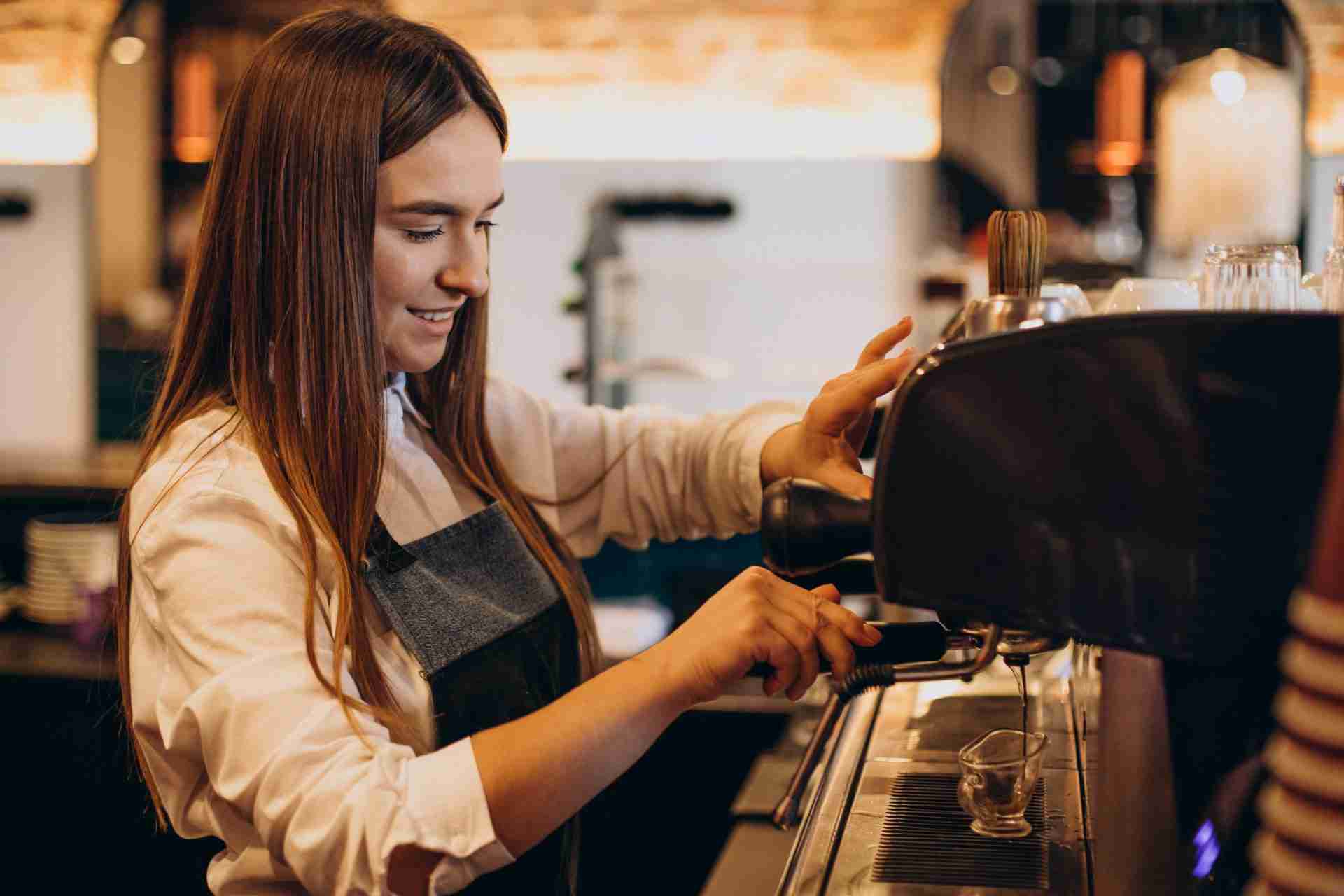
Think about the last time you walked into a coffeehouse and immediately felt welcome. Maybe the barista greeted you with a smile, remembered your usual order, or helped you choose between two drinks when you couldn’t decide. Perhaps they simply prepared your coffee carefully and handed it to you with a friendly “Have a great day.”
These moments may seem small, but they can make a surprising difference in how we experience a coffeehouse.
Of course, great coffee starts with quality ingredients and careful preparation. But the person behind the counter plays an important role, too. A great barista combines technical knowledge with hospitality, attention to detail, and an understanding that every customer has different preferences.
At Abide Coffeehouse, the coffee itself is only part of the experience. The people preparing your drink, answering your questions, and welcoming you into the space can help turn a routine coffee run into a moment you’ll remember.
What Actually Makes a Great Barista?
Being a barista involves much more than knowing how to make a latte or pull an espresso shot. While technical skills are essential, a great barista also understands how to interact with different kinds of customers.
Some of the qualities that make a great barista include coffee knowledge, consistency, patience, communication, attention to detail, adaptability, and hospitality.
A barista may serve someone who knows exactly what they want and another customer who has never ordered a particular coffee before. Both deserve the same level of care, even though their needs may be completely different.
The best baristas balance efficiency with attentiveness. They can work through a busy morning while still making customers feel acknowledged. They understand that a well-made drink matters, but so does the experience surrounding it.
That combination of skill and hospitality is what can make a coffeehouse visit feel special.
Great Baristas Know Their Coffee
One of the most valuable barista skills is coffee knowledge.
A knowledgeable coffee barista can explain the differences between drinks, describe flavor profiles, answer questions about preparation methods, and help customers understand what they might enjoy. They don’t necessarily need to give a detailed coffee lecture every time someone orders. Often, a simple explanation is enough.
For example, if you’re unsure about two drinks, a barista might help you understand which one is sweeter, stronger, creamier, or more focused on the flavor of the coffee itself.
This knowledge is especially helpful when you’re interested in trying something unfamiliar. A menu can sometimes feel overwhelming, particularly when you don’t recognize every ingredient or preparation method.
Having someone behind the counter who can make coffee approachable takes some of that uncertainty away.
A great barista doesn’t just know coffee. They know how to share that knowledge in a way that helps customers feel comfortable and informed.
A Great Barista Can Help You Find Your Next Favorite Drink
Have you ever looked at a coffee menu and immediately ordered the same thing you’ve had dozens of times?
There’s nothing wrong with having a favorite. But sometimes, the only thing standing between you and a new favorite is not knowing what to choose.
This is where a barista’s recommendation can make a difference.
Instead of simply asking, “What should I get?” tell your barista what you already enjoy. You might say that you prefer something sweet but not overly sweet, that you enjoy creamy drinks, or that you want something with a stronger coffee flavor.
These details help create a more personalized recommendation.
A good barista can help you explore the menu without making you feel pressured to order something completely different. They might suggest a drink that’s only slightly outside your usual choice, giving you an easy introduction to a new flavor or preparation.
For coffee lovers, these little recommendations can become some of the most enjoyable parts of exploring a coffeehouse.
The Small Details Can Make a Big Difference
Great customer service isn’t always about doing something dramatic. Often, it’s about paying attention to small details.
A barista remembering a regular customer’s order can make that person feel recognized. Taking an extra moment to clarify a drink preference can prevent a misunderstanding. Preparing a beverage carefully, checking that everything is correct, or simply greeting someone warmly can change the tone of a visit.
These gestures don’t necessarily take much time, but they communicate something important: you are paying attention.
That’s a major part of barista customer service.
Coffeehouses are often part of people’s daily routines. Customers may visit several times a week, sometimes at nearly the same time every day. Because of that repetition, small interactions can become familiar and meaningful.
A friendly greeting on a busy morning won’t solve every problem, but it can make the beginning of the day feel a little more pleasant.
Baristas Can Change the Mood of a Coffeehouse
A coffeehouse has its own atmosphere, and the people working behind the counter contribute significantly to it.
The way baristas communicate, interact with customers, and work together can influence how the entire space feels. A calm and welcoming approach can help customers feel comfortable, while enthusiasm and friendliness can create an inviting sense of energy.
This doesn’t mean baristas have to be cheerful every second of the day. They’re people, too, and coffeehouse work can be demanding, especially during busy periods.
Rather, it’s about creating an environment where customers feel respected and welcome.
That’s one reason coffeehouse culture is about more than coffee itself. The atmosphere is created by many things working together: the drinks, the setting, the sounds, the customers, and the people behind the counter.
The barista is often at the center of that experience.
A Friendly Interaction Can Brighten an Ordinary Day
We don’t always know what someone is carrying when they walk through the door. A customer might be tired after a long night, rushing between commitments, taking a break from work, or simply looking for a quiet moment. A coffeehouse visit may be a small part of their day, but that doesn’t mean the experience has to feel impersonal.
A friendly interaction can provide a welcome pause. Maybe it’s a quick conversation about a new drink. Maybe it’s a simple greeting. Maybe the barista remembers that you prefer less sweetness or extra milk.
These moments aren’t necessarily life-changing, and they don’t need to be. Their value is in their simplicity.
One of the most enjoyable parts of the coffeehouse experience is that it gives us opportunities for small, everyday interactions. Those interactions can add warmth to routines that might otherwise feel repetitive.
Great Baristas Make Coffee Feel More Personal
There is a difference between buying a product and having an experience.
When a barista takes the time to understand your preferences, coffee can begin to feel more personal. Instead of simply selecting an item from a menu, you’re participating in an interaction.
Over time, regular visits can create familiarity. A barista may recognize your usual drink, while you may begin to recognize the people working behind the counter. You might learn which drinks they recommend or ask their opinion when you’re ready to try something different.
That familiarity is one of the reasons people develop strong connections with their favorite local coffeehouses. The coffee still matters, of course. But the relationships and routines surrounding it can make the experience feel uniquely yours.
Baristas Help Create a Sense of Community
Coffeehouses have long been places where people gather, and baristas are an important part of that environment.
They interact with customers throughout the day, often becoming familiar faces in the neighborhood. Regular customers may recognize staff members, greet them by name, and develop a comfortable routine around their visits.
This is how a coffeehouse community can gradually develop.
Community doesn’t necessarily happen through big events or formal gatherings. Sometimes, it’s created through repeated small interactions. A familiar greeting. A conversation about coffee. A recommendation. A shared laugh.
These moments help make a local coffeehouse feel less like a place you simply visit and more like a place where you belong. For many coffee lovers, that’s part of the reason they return.
The Skill Behind Your Favorite Cup
While the customer interaction is easy to notice, much of a barista’s work happens behind the scenes.
Baristas need to understand how to grind coffee appropriately, prepare espresso, steam milk, measure ingredients, manage timing, maintain equipment, and produce consistent drinks. They also need to keep their workspace organized and clean while managing multiple orders.
Consistency is particularly important. When you order your favorite coffee, you generally expect it to taste familiar. Achieving that consistency requires attention to details that customers may never see.
Temperature, grind size, extraction, ratios, milk texture, and preparation time can all affect the final drink.
This is why barista skills combine both craft and practice. A great cup doesn’t happen by accident. It is the result of knowledge, technique, experience, and attention.
The next time you enjoy a coffee prepared exactly the way you like it, remember that there’s a skilled person behind that cup.
Why the Barista-Customer Relationship Matters
Coffeehouses are uniquely suited to creating repeated interactions. Unlike a one-time purchase, a coffeehouse often becomes part of someone’s routine. You may return every morning, every weekend, or whenever you need a comfortable place to take a break.
Over time, those visits create opportunities for familiarity. You learn what you like. The barista learns how to help you get it. You may discover new drinks together. You may even begin recognizing other regular customers.
This relationship doesn’t have to become deeply personal to be meaningful. Simply being known as a regular and feeling comfortable in a familiar environment can make a difference.
That’s why the barista-customer relationship is such an important part of the coffeehouse experience. It’s built gradually, one visit at a time.
How Abide Coffeehouse Celebrates the People Behind the Counter
A coffeehouse is shaped by much more than its menu. The people behind the counter help create the rhythm and personality of the space. They prepare drinks, answer questions, welcome customers, maintain the workspace, and contribute to the atmosphere that visitors experience.
At Abide Coffeehouse, the people serving coffee are part of what makes a visit feel like more than a simple transaction. Whether you’re stopping by for your usual drink or asking about something new, the interaction can become part of the experience.
And customers play a role, too. A little patience during a busy morning, a clear explanation of what you want, a thoughtful question, or a simple thank-you can make the interaction better for everyone.
A welcoming coffeehouse experience works both ways.
How Customers Can Make a Barista’s Day Better, Too
It’s easy to focus on what a great barista does for us, but good relationships are reciprocal.
Customers can contribute to a positive environment in several simple ways.
Be patient during busy periods. A long line usually means the team is working hard to serve everyone.
Communicate clearly. If you have a specific preference, explain it politely and clearly.
Ask questions. Baristas are often happy to help you understand the menu or discover a new drink.
Say thank you. A sincere expression of appreciation takes only a moment.
Treat baristas as professionals. Making coffee requires knowledge, practice, and skill. Recognizing that expertise can make interactions more respectful and enjoyable.
These small gestures can strengthen the sense of community that makes local coffeehouses special.
Behind Every Great Coffee Is a Human Touch
A great barista is part coffee expert, part craftsperson, part guide, and part welcoming presence. They help make sure your drink is prepared well, but their contribution doesn’t end there. They can introduce you to new flavors, answer questions, remember familiar preferences, and help create an environment where people feel comfortable returning.
That’s why the role of a barista is so important to the coffeehouse experience.
The next time you visit Abide Coffeehouse—or any local coffeehouse—take a moment to notice the work happening behind the counter. Appreciate the care that goes into your drink and the small interactions that make the visit feel personal.
Because sometimes, the difference between a good coffee and a great coffeehouse experience isn’t only what’s in the cup.
It’s the human touch behind it.
Don’t forget to visit our tea shop at Teasperience.
