
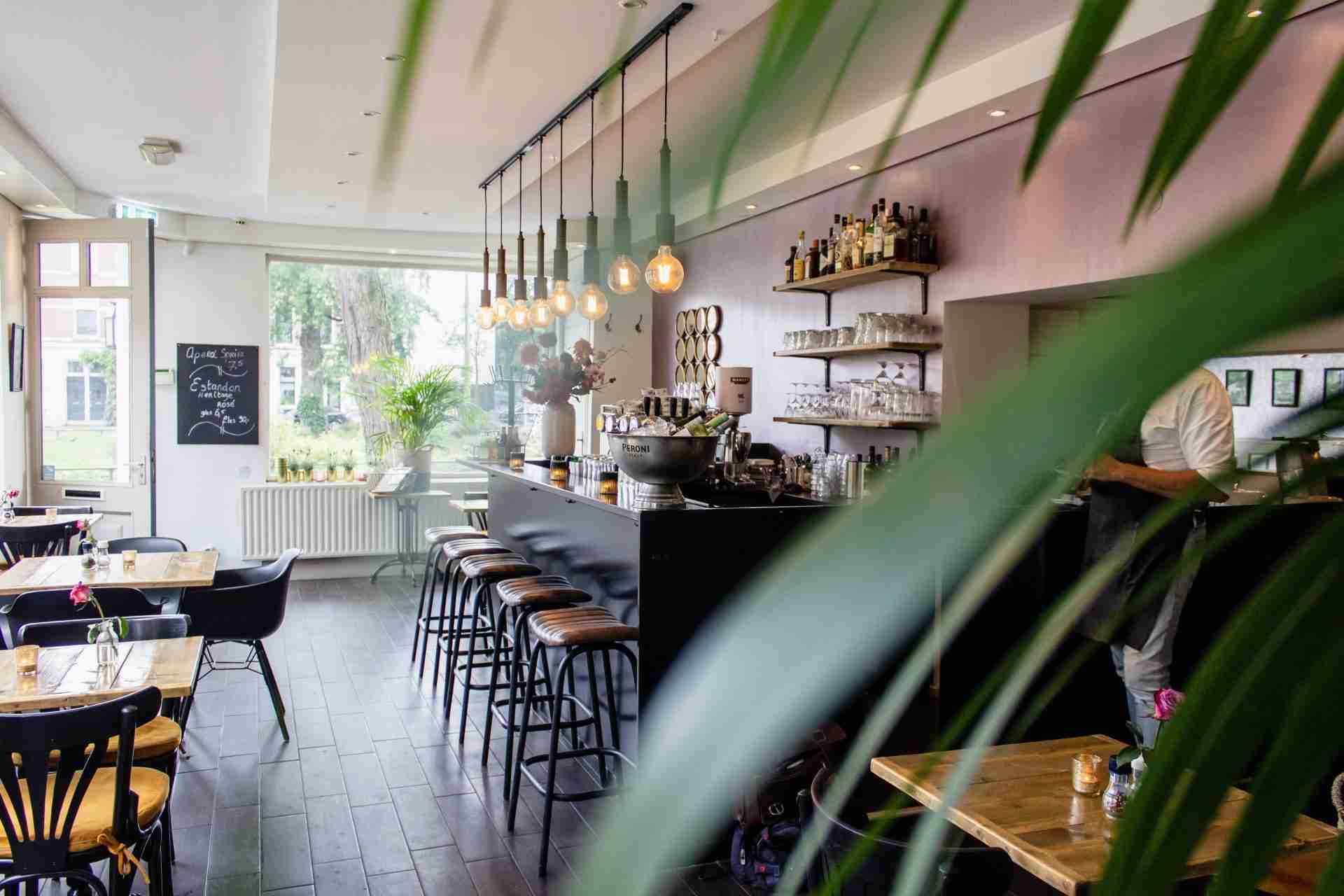
What do you notice when you walk into a coffeehouse? Maybe it’s the aroma of freshly brewed coffee, the music playing quietly in the background, the warmth of the lighting, or the comfortable feeling of finding a table where you can settle in for a while. Before you take your first sip, you’ve already started experiencing the coffeehouse. That’s because a memorable coffeehouse atmosphere is created by much more than the drinks on the menu.
Every part of a coffeehouse can influence how you feel in the space. The colors, furniture, sounds, aromas, artwork, and even the arrangement of tables can help create an environment that feels energetic, peaceful, social, or cozy. The best spaces don’t necessarily call attention to every design decision. Instead, everything works together naturally.
At Abide Coffeehouse, the environment is an important part of the overall experience. We want the space to feel like somewhere you can enjoy a great cup of coffee while also making room for whatever kind of moment your day requires. Whether you’re catching up with a friend, reading quietly, working for a while, or simply taking a break, the atmosphere should help you feel comfortable.
What Makes a Coffeehouse Feel Welcoming?
Creating a welcoming coffee shop atmosphere isn’t simply about making a space look attractive. A beautiful room can still feel uncomfortable if the seating isn’t practical, the lighting is harsh, or there’s nowhere to settle in. Good coffeehouse design considers both appearance and the way people actually use the space.
Comfort is an important starting point. Customers should be able to walk in and understand where they can order, find a place to sit, and enjoy their coffee without feeling overwhelmed. The layout should allow people to move around easily while still providing enough separation for those who want a little personal space.
It’s also important to remember that coffee lovers don’t all visit for the same reason. One person might want a lively conversation, while another may be looking for a quiet corner and a few uninterrupted minutes. A welcoming coffeehouse leaves room for both experiences. The goal isn’t to tell people how to use the space; it’s to create an environment where different kinds of visits feel natural.
Lighting Sets the Mood
Lighting may be one of the easiest elements to overlook, but it can have a significant effect on a coffeehouse’s ambiance. Think about how different a room feels under bright, cool lighting compared with soft, warm illumination. The furniture might remain exactly the same, but the mood can change completely.
Natural light can make a coffeehouse feel bright and open during the day, while softer lighting can create a more relaxed feeling as the day progresses. The right balance helps the space feel inviting without making it difficult to read, work, socialize, or simply enjoy your coffee.
Lighting also contributes to the rhythm of the day. A bright morning atmosphere can feel fresh and energizing, while a quieter evening environment may encourage people to slow down. These subtle changes help a coffeehouse feel like a living space rather than a static room.
For anyone interested in coffee shop interior design, lighting is a great reminder that atmosphere isn’t only about what looks good in a photograph. It’s also about how the space makes people feel when they’re actually sitting in it.
Choosing Colors, Materials, and Textures
Colors and materials help give a coffeehouse its personality. A room filled with natural textures can create a very different impression from one dominated by sleek, modern surfaces. Neither approach is necessarily better. What matters is whether the choices work together to create a cohesive experience.
Wood, fabric, ceramics, metal, plants, and other textures can add visual interest without overwhelming the space. Colors can also influence the feeling of a room, with different combinations creating impressions ranging from warm and cozy to bright and energetic.
Thoughtful coffeehouse design doesn’t mean filling every available surface with decoration. Sometimes restraint is just as important. A few carefully chosen details can create more personality than an overly crowded environment.
At Abide Coffeehouse, the idea is to create a setting that complements the experience rather than competing with it. The coffee remains an important part of the visit, while the surroundings help make the moment feel complete.
Why Seating Matters More Than You Think
Have you ever walked into a coffeehouse and immediately known where you wanted to sit? That reaction isn’t accidental. Seating plays a major role in how people experience a space.
A comfortable chair can encourage someone to stay and read. A table can make it easier for friends to sit together and talk. Individual seating can give someone the opportunity to enjoy a little personal space. The arrangement of these options also affects how connected or private a person feels.
Good coffeehouse design considers the distance between tables, the flow of people moving through the room, and how different seating areas interact with one another. A space can feel social without being crowded and peaceful without feeling isolated.
This flexibility is part of what makes the coffeehouse experience special. A single location can serve as a meeting place, a quiet retreat, a workspace, or simply somewhere to enjoy a favorite drink. The seating helps make all of those experiences possible.
Music and Sound: The Invisible Part of the Atmosphere
You may not always remember what music was playing during a coffeehouse visit, but you probably remember how the room sounded. Background music, conversations, the movement of people, and the sounds of coffee being prepared all contribute to the environment.
Music can influence the energy of a space, but volume matters just as much as the selection. If the music is too loud, conversation becomes difficult. If the environment is completely silent, it may feel less lively than many people expect from a coffeehouse.
The goal is balance. A thoughtful coffeehouse atmosphere allows music to become part of the experience without demanding attention. The natural sounds of the space can remain present, too: the sound of coffee being poured, cups being placed on tables, and conversations happening around you.
These sounds create a kind of background rhythm that reminds you you’re in a shared space filled with other people enjoying their own coffeehouse moments.
The Aroma of Fresh Coffee Is Part of the Design
Coffeehouse atmosphere isn’t exclusively visual or auditory. Smell can be just as powerful.
The aroma of freshly brewed coffee can immediately create a sense of anticipation. Even before you take a sip, the smell can signal that you’re about to enjoy a familiar ritual. For many coffee lovers, that aroma is an important part of what makes visiting a coffeehouse different from simply preparing a drink at home.
Aromas can also become connected to memories. Over time, you may associate the smell of coffee with a particular place, a favorite morning, a conversation with a friend, or a quiet afternoon spent reading.
That makes coffee preparation part of the environment itself. The process happening behind the counter isn’t separate from the customer experience. The aromas, sounds, movement, and anticipation all contribute to the feeling of being in a coffeehouse.
Small Details Make a Big Difference
Sometimes, it’s the smallest details that give a coffeehouse its personality. Drinkware, artwork, plants, books, menus, table arrangements, and seasonal touches can all contribute to the overall feeling of a space.
Even the way a menu is presented can influence the experience. A thoughtfully arranged menu can make ordering feel approachable, while carefully chosen mugs or cups can add a sense of character to the moment when your drink arrives.
Cleanliness and organization matter, too. They may not be the first things people mention when describing a beautiful coffeehouse, but they play an important role in making a space feel comfortable and cared for.
None of these elements needs to dominate. In fact, the strongest coffee shop design ideas often involve details that complement one another without competing for attention.
At Abide Coffeehouse, it’s these kinds of touches, combined with the coffee and hospitality, that help create a space designed for everyday enjoyment.
Designing for Connection and Personal Space
One of the most interesting challenges of coffeehouse design is creating a space that works for both social and individual experiences.
Some people come to coffeehouses specifically to meet friends. They want a table where they can talk, laugh, share stories, and spend time together. Others may want to sit quietly with a book or laptop and enjoy their coffee without conversation.
A thoughtful coffeehouse experience should make room for both.
The arrangement of furniture, the amount of space between tables, the overall sound level, and the flow of the room can all influence whether customers feel connected or private. The goal isn’t to force interaction. Instead, it’s to create enough flexibility that people can choose the experience that feels right for them.
That balance is part of what makes a coffeehouse feel welcoming. You can be surrounded by people without feeling obligated to socialize, while still having opportunities to connect when you want to.
How the Vibe Changes Throughout the Day
A coffeehouse doesn’t necessarily feel the same from morning until evening. The atmosphere naturally changes as the day progresses.
Mornings may have a sense of energy as people begin their routines and reach for their first cup. Later in the day, the pace may become more relaxed, with customers meeting friends, working, reading, or taking a break.
As natural light changes, the visual feeling of the room changes with it. The sounds in the space may shift as the number of customers rises and falls. Music, conversations, and coffee preparation all contribute to this evolving rhythm.
This is an important part of creating a coffee shop atmosphere. Designing a coffeehouse isn’t simply about decorating a room and leaving it unchanged. It’s about creating a setting that can support different moods and activities throughout the day.
Creating a Space That Feels Like Abide
Every coffeehouse has its own personality. That personality comes from the combination of its physical surroundings, the people who work there, the customers who visit, and the experiences that take place within the space.
For Abide Coffeehouse, the goal is to make the environment feel connected to the coffeehouse experience as a whole. The surroundings should give coffee lovers a comfortable place to pause, enjoy their drink, spend time with others, or simply have a moment to themselves.
That feeling isn’t created by one particular piece of furniture or one decorative choice. It’s the result of many elements working together: coffee, hospitality, lighting, sound, aroma, seating, and all the small details that people notice consciously or unconsciously.
Ultimately, a coffeehouse should feel like somewhere people want to return to—not only because they enjoyed their drink, but because they enjoyed being there.
The Best Coffeehouse Vibes Feel Natural
The most successful coffeehouse atmosphere usually doesn’t feel overly planned. You may not walk into a space and immediately think about the exact lighting temperature, seating arrangement, or choice of materials. Instead, you simply notice that you feel comfortable.
That’s the goal of thoughtful design.
When lighting, music, seating, aroma, décor, and hospitality work together, the individual elements become part of a larger experience. Nothing has to compete with the coffee or overwhelm the people enjoying it.
A good coffeehouse gives you enough personality to make the space memorable while still allowing you to make it your own. You can have a favorite table, a preferred time of day, a familiar playlist, or a particular drink that makes the experience feel personal.
The atmosphere provides the setting, but every customer creates their own story within it.
Designing More Than a Place to Drink Coffee
A coffeehouse is more than four walls, a counter, and a menu. It’s a place where sensory details and human experiences come together.
The lighting can make a morning feel brighter. The music can create a comfortable rhythm. The aroma of fresh coffee can bring anticipation. Comfortable seating can encourage you to stay a little longer. Small decorative details can give the space personality. And the people around you can transform an ordinary coffee break into a memorable experience.
At Abide Coffeehouse, these elements come together to create an environment where coffee lovers can enjoy more than what’s in their cup. Whether you’re meeting someone, working quietly, reading, or simply taking a break, the hope is that the space gives you a reason to slow down and enjoy the moment.
The next time you visit a coffeehouse, take a moment to notice more than what’s in your cup. The lighting, sounds, aromas, textures, and little details around you may be doing just as much to shape the experience.
Don’t forget to visit our tea shop at Teasperience.
